
Consultation

Standard Burn-In Cabinet

Simple structure, low investment and maintenance costs.Flexible operation, quickly adapts to product changes.
维护简单
快速投入
多场景应用

Product Introduction

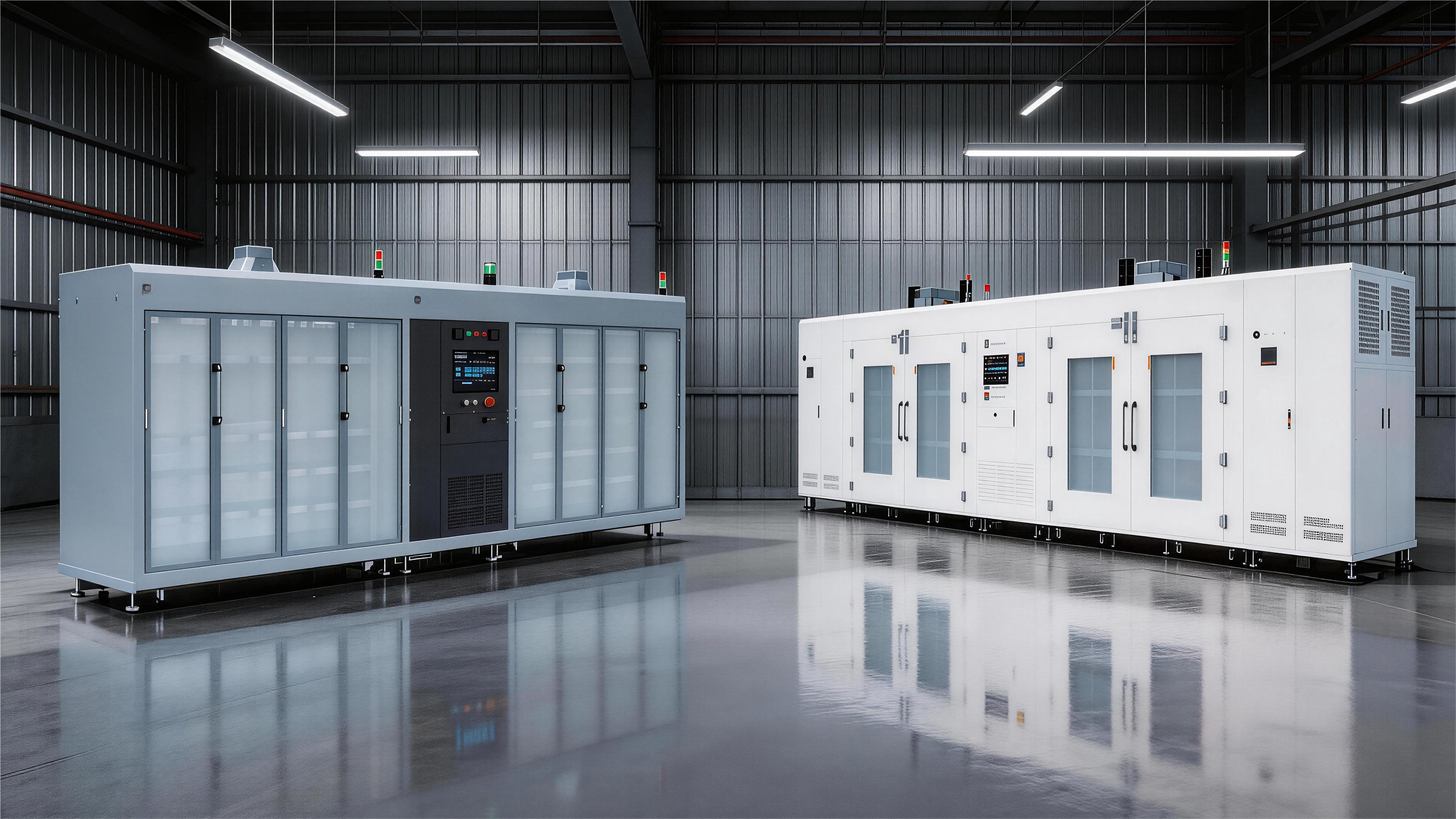
The traditional manual burn‑in test cabinet is a basic and widely used batch‑processing electrical stress burn-in and test equipment. It integrates environmental simulation (high temperature), load system, and power supply system into a standalone cabinet. Through manual operation, it completes product loading, unloading, wiring, and process monitoring. It is primarily used for batch‑oriented, long‑duration powered burn‑in testing of electronic/electrical products (e.g., power supplies, PCBAs, controllers, etc.) to identify early‑life failures in advance.

The traditional manual burn‑in test cabinet serves as a basic tool and a transitional solution in the field of reliability testing for electronics manufacturing. It offers irreplaceable advantages in flexibility, low cost, and rapid deployment, making it particularly suitable for the front end of the product lifecycle and the long‑tail market.


Product Features

  • Modular Design
    Mature standardized structure and system support rapid manufacturing, shortening the time to production.
  • High/Low Temperature Control
    The cabinet offers variable temperature, supports both high and low temperature tests, and ensures high stability.
  • High Stability
    High-quality components and advanced control algorithms ensure long-term stability.
  • Fast ROI
    Simple structure, low investment and maintenance costs.
  • Strong Compatibility
    For products with different shapes, sizes, and interfaces, simply replace the test cables or make simple adjustments to the internal shelves to quickly start testing.
  • Smart Connectivity
    Supports industrial Ethernet and multiple communication protocols for easy integration into smart factory systems.

Function Introduction

Function Items

Environmental Simulation System – High/Low Temperature Burn-in Environment
Energy-Saving Load System
Monitoring and Operation Interface
Structure and Insulation Design

Function Description

To accelerate the exposure of potential product defects, the line is typically equipped with a high‑temperature test chamber or heating chamber, capable of creating and controlling a high‑temperature environment ranging from –10°C to approximately 150°C. Some designs utilize the heat generated by the products themselves and the heat sources in the load area to maintain the required temperature without additional heating.
This is the core difference between a manual burn‑in cabinet and an ordinary oven. It can provide basic resistive loads (e.g., cement resistors) or more flexible electronic loads. The user manually sets the load current or power according to the product specifications. Using Guanjia’s self‑developed energy‑saving burn-in load, energy feedback can also be achieved, helping enterprises reduce aging costs.
Human‑machine interaction is realized via an industrial PC and host computer software, used for setting parameters such as temperature and time, and for real‑time display of current chamber temperature, operating status, and alarm information.
High‑quality cold‑rolled steel plate with powder coating or a stainless steel inner liner is used, with the interlayer filled with high‑density insulation materials (e.g., rock wool, fiberglass) to maintain good thermal retention and temperature stability. After the aging process, a cooling fan can be activated to accelerate temperature reduction, allowing products to be removed promptly.


Application Scenarios