

EN


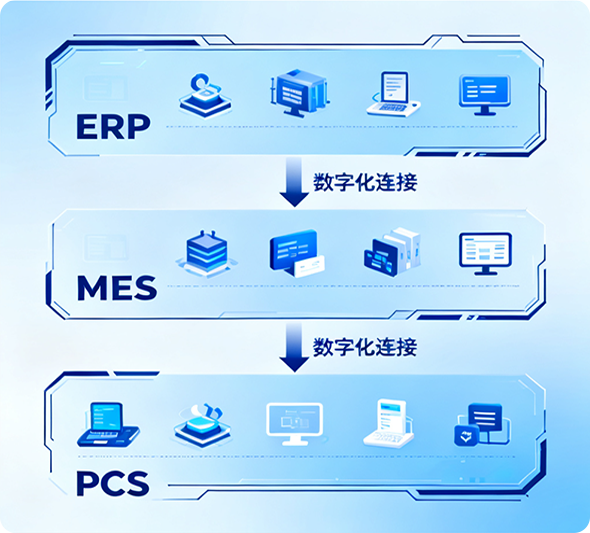
Production Transparency
Real‑time monitoring of the production process, eliminating information silos, and enabling full‑process visual management.
Efficiency Improvement
Optimising production scheduling, reducing equipment downtime, and improving resource utilisation.
Quality Control
Full‑process quality traceability, real‑time inspection and early warning, reducing the defective product rate.
Intelligent Decision‑Making
Data‑driven decision support for continuous optimisation of production processes.

Real‑time tracking of material flow, inventory management, and full‑process traceability from raw materials to finished products, ensuring precise material distribution.
√ Material Requirements Planning
√ Material Flow Tracking
√ Batch Traceability Management
Comprehensive equipment lifecycle management, covering equipment records, maintenance planning, fault diagnosis, and performance analysis, to maximise equipment utilisation.
√ Equipment Records Management
√ Preventive Maintenance
√ Equipment OEE Analysis
Comprehensive Quality Management Across the Full Process – Enabling quality data collection, analysis, traceability, and continuous improvement from incoming material inspection to finished product testing.
√ Quality Inspection Management
√ Non‑Conformance Handling
√ Quality Traceability Analysis
Production Planning and Scheduling – Receives production plans from the ERP system, automatically generates detailed production schedules, dynamically adjusts production sequences, optimises resource allocation, and improves on‑time delivery rates.
√ Advanced Planning and Scheduling (APS)
√ Production Order Management
√ Equipment Load Balancing
Real‑Time Data Acquisition and Monitoring – Acquires production data in real time through multiple collection methods, monitors equipment status, production progress, and quality metrics, and enables transparent production management.
√ Equipment Data Acquisition
√ Production Progress Tracking
√ Real‑Time Anomaly Alerting
Production Analysis and Reporting – Multi‑dimensional statistical analysis of production data, generation of various KPI reports, provision of decision support for management, and continuous optimisation of production processes.
√ Production Performance Analysis
√ Energy Consumption Analysis and Optimisation
√ Customisable Reports
The Production Management Module is responsible for the formulation, execution, and monitoring of production plans, enabling refined management of the production process and improving overall production efficiency.
√ Low production line efficiency, making it difficult to meet growing market demand.
√ Inconsistent product quality due to manual operations, resulting in a relatively high defective rate.
√ Insufficient mixed‑model production capability for multiple vehicle variants, with prolonged changeover times.
√ Untimely production data collection, preventing real‑time monitoring and optimisation.
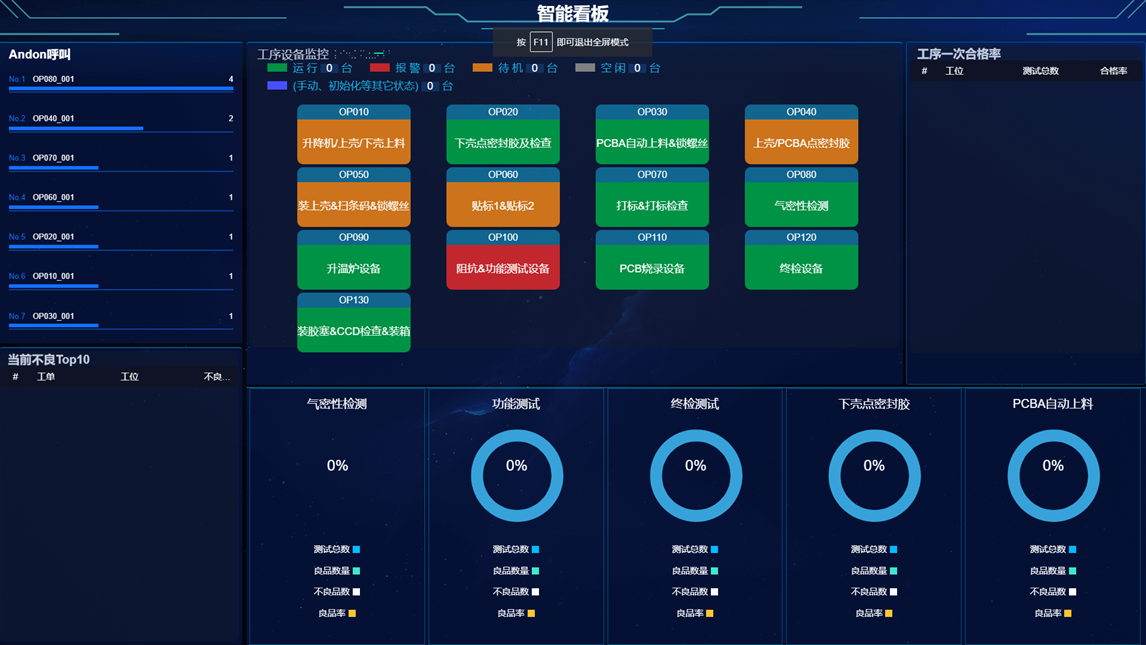
The Material Management Module of the MES (Manufacturing Execution System) is a core functional module that ensures the precise, efficient, and transparent flow of production materials on the shop floor. It focuses on the Work‑In‑Process (WIP) stage – from material issuance to finished product off‑line – and complements the ERP inventory management module to form a complete enterprise‑wide material management system.
√ Precision Dispatching – ensures that the right materials are delivered to the right workstation, at the right time, in the right quantity.
√ Full Visibility – provides real‑time tracking of material consumption, WIP status, and location, eliminating the “black box” of shop‑floor operations.
√ Error‑Proofing and Traceability – prevents incorrect material usage and establishes a complete forward and backward traceability chain.
√ Cost Control – enables refined management of material wastage, reducing scrap and inventory build‑up.
The Equipment Management Module of the MES (Manufacturing Execution System) – also referred to as the TPM (Total Productive Maintenance) module – is a core functional module that provides digital, preventive management across the entire lifecycle of production equipment. It is designed to ensure efficient, stable, and safe equipment operation, making it a critical enabler for smooth production execution and OEE (Overall Equipment Effectiveness) improvement.
√ Maximising Equipment Availability – maximises equipment uptime and minimises unplanned downtime.
√ Enhancing Equipment Effectiveness – optimises equipment performance to maintain operation at peak condition.
√ Implementing Preventive Maintenance – shifts the maintenance strategy from reactive repair to planned and predictive maintenance.
√ Refined Management – enables transparent, data‑driven management of equipment costs, performance, and historical records.
The Quality Management Module of the MES (Manufacturing Execution System) is a core functional module specifically designed for real‑time monitoring, control, and analysis of product quality throughout the production process. It spans the entire journey from incoming material inspection to finished product dispatch, and is committed to ensuring compliance with quality standards, reducing defects, lowering costs, and meeting regulatory requirements.
√ Quality Improvement – reduces defect rates by 20%–30%, with a corresponding decrease in customer complaints.
√ Efficiency Optimisation – shortens inspection cycles and eliminates manual data entry errors.
√ Risk Control – enables rapid root‑cause identification, reducing the risk of product recalls.
√ Compliance Assurance – meets both internal and external audit requirements, enhancing corporate credibility.
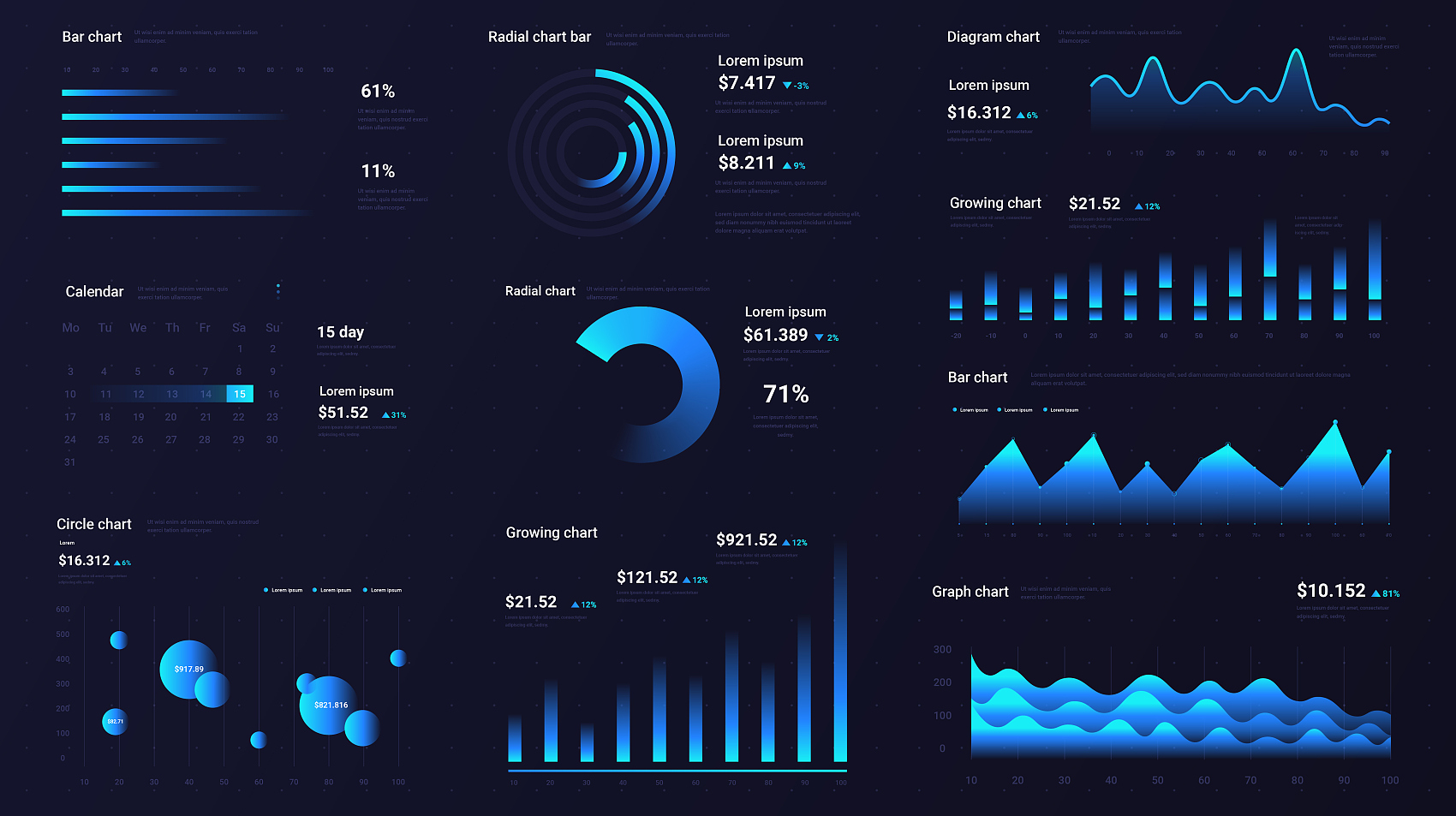
Guanjia can provide a wide range of customised functional modules to meet specific user requirements, including but not limited to:
√ Tooling and Fixture Management – full‑lifecycle management of moulds, fixtures, gauges, and other production tooling required for manufacturing operations.
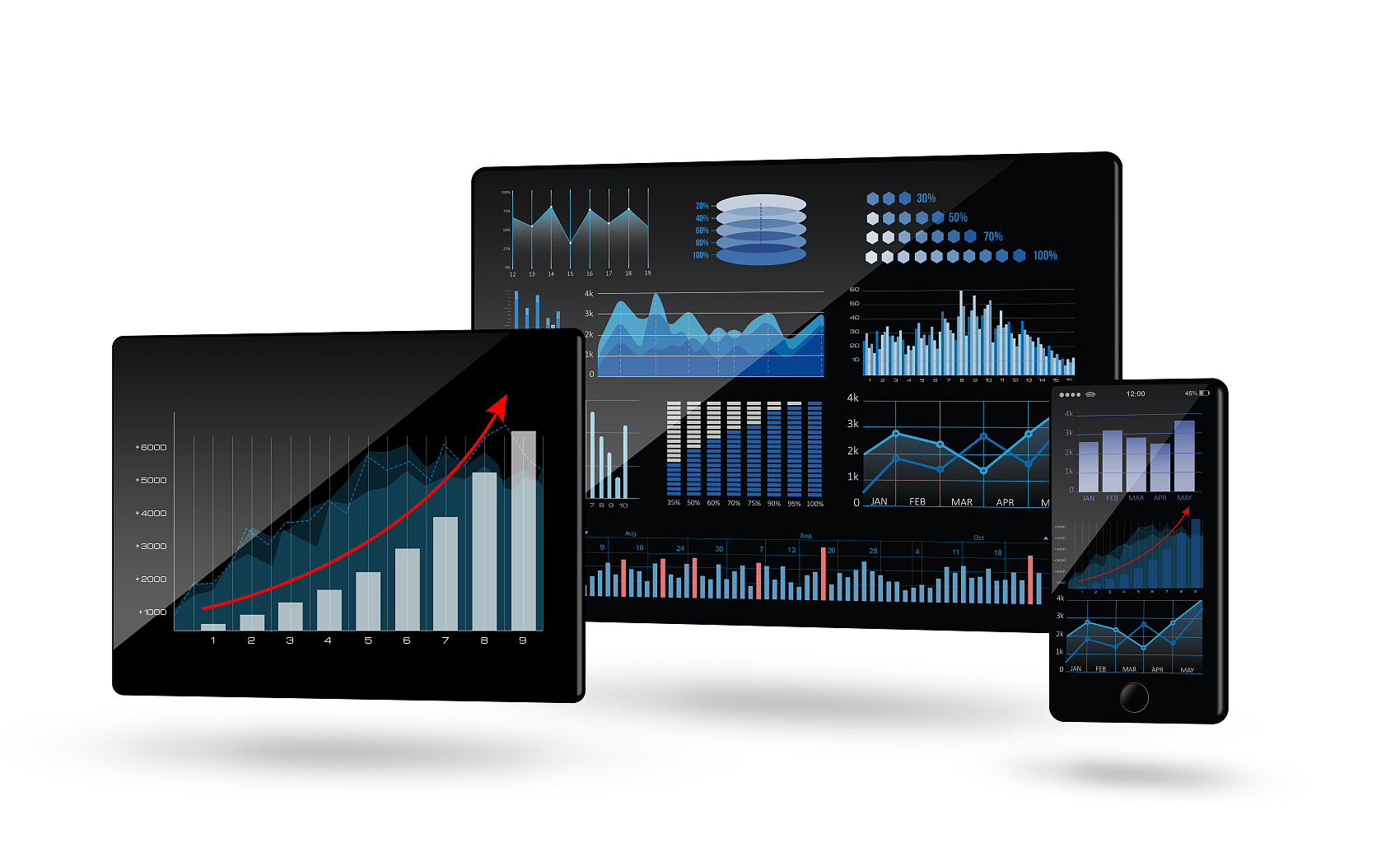
√ Kanban Management – real‑time production dashboards, equipment status boards, quality boards, and KPI reports (covering OEE, yield rate, plan achievement rate, etc.) for instant shop‑floor visibility.
√ Document Management – electronic distribution of drawings, process documents, and Standard Operating Procedures (SOPs), with version control and access rights management to ensure accuracy and security.
√ IoT Management – connection, management, and utilisation of massive industrial IoT devices and data streams, enabling seamless data integration and smart decision‑making.
 Consultation