

EN


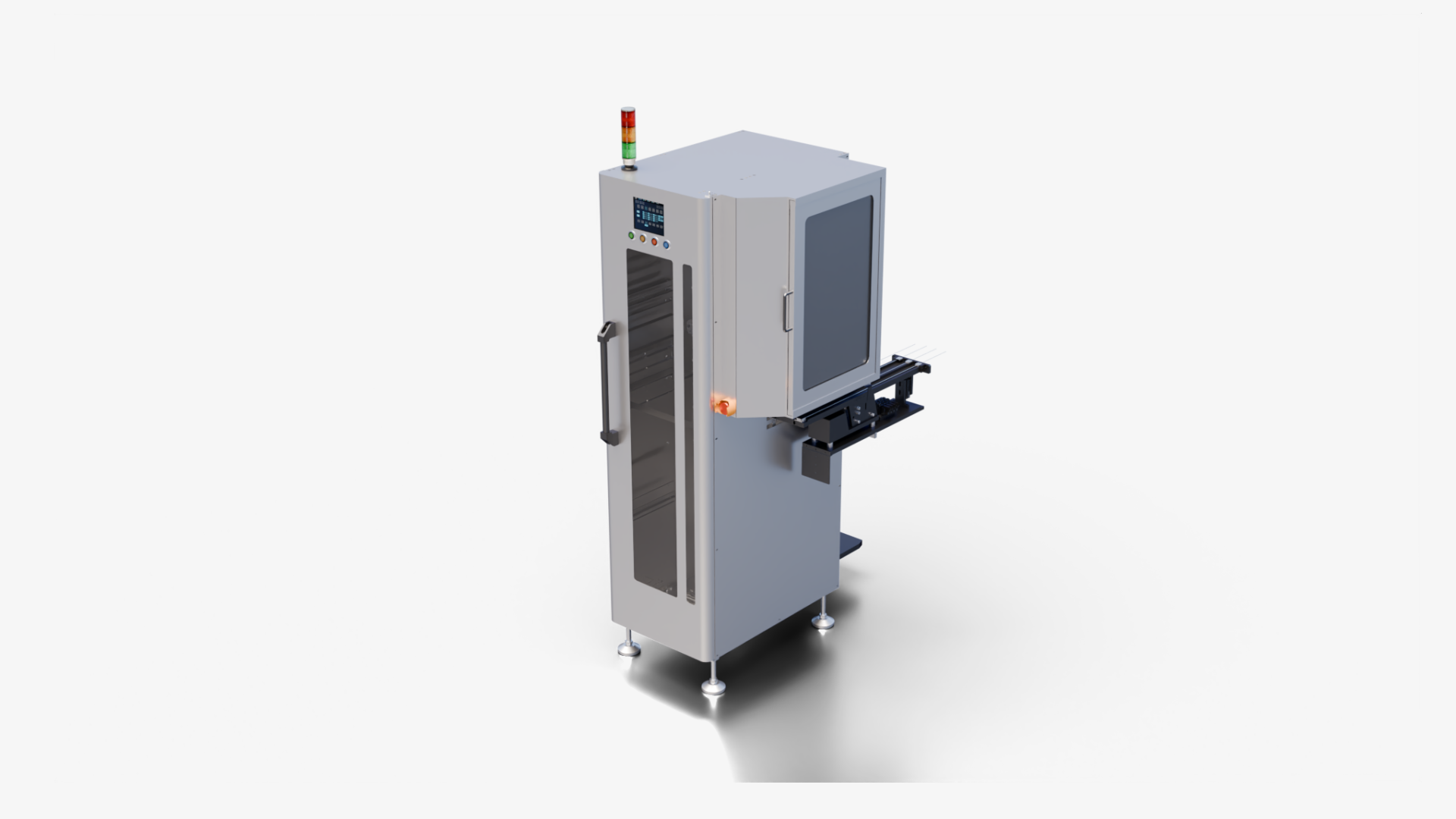
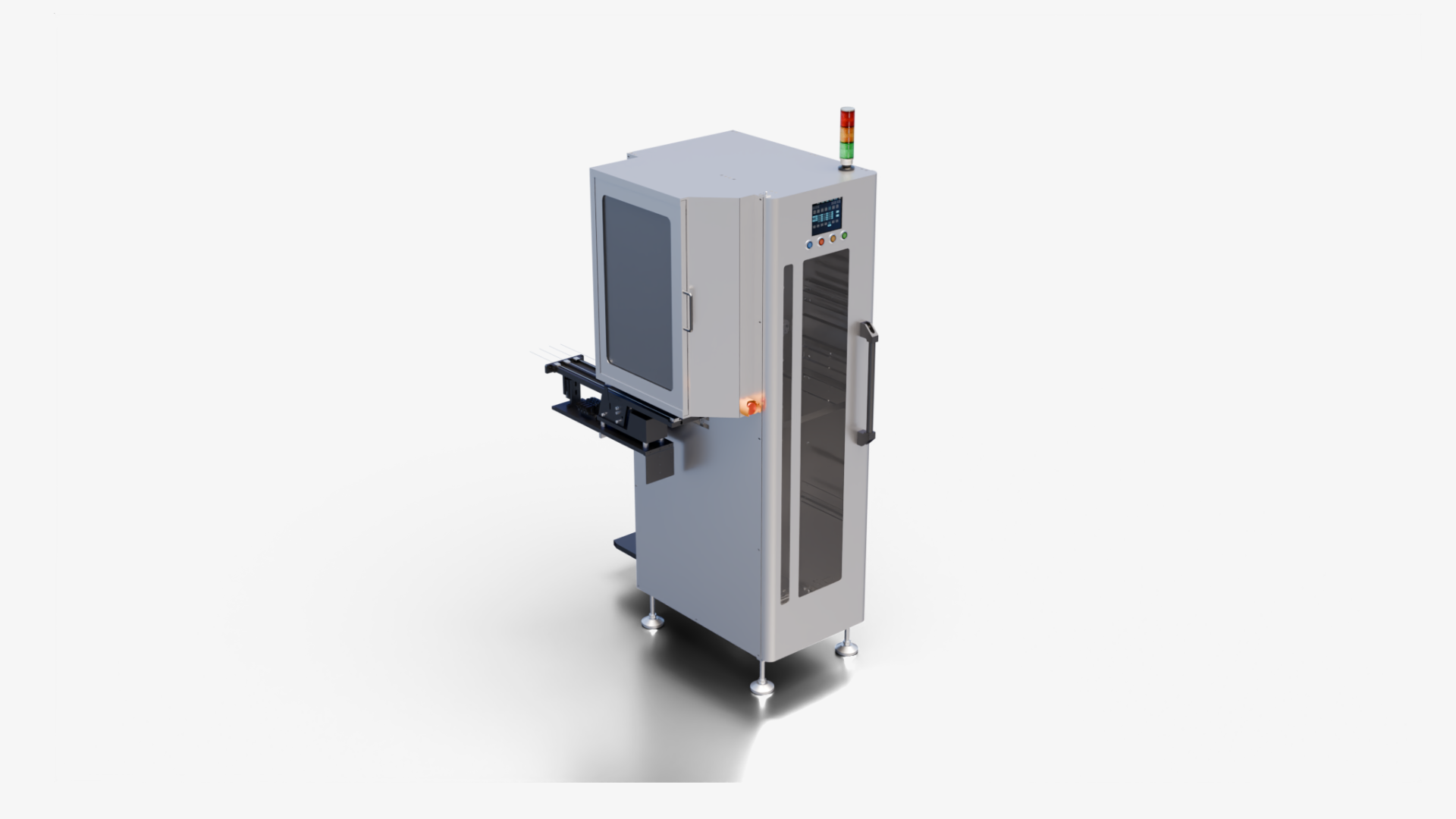
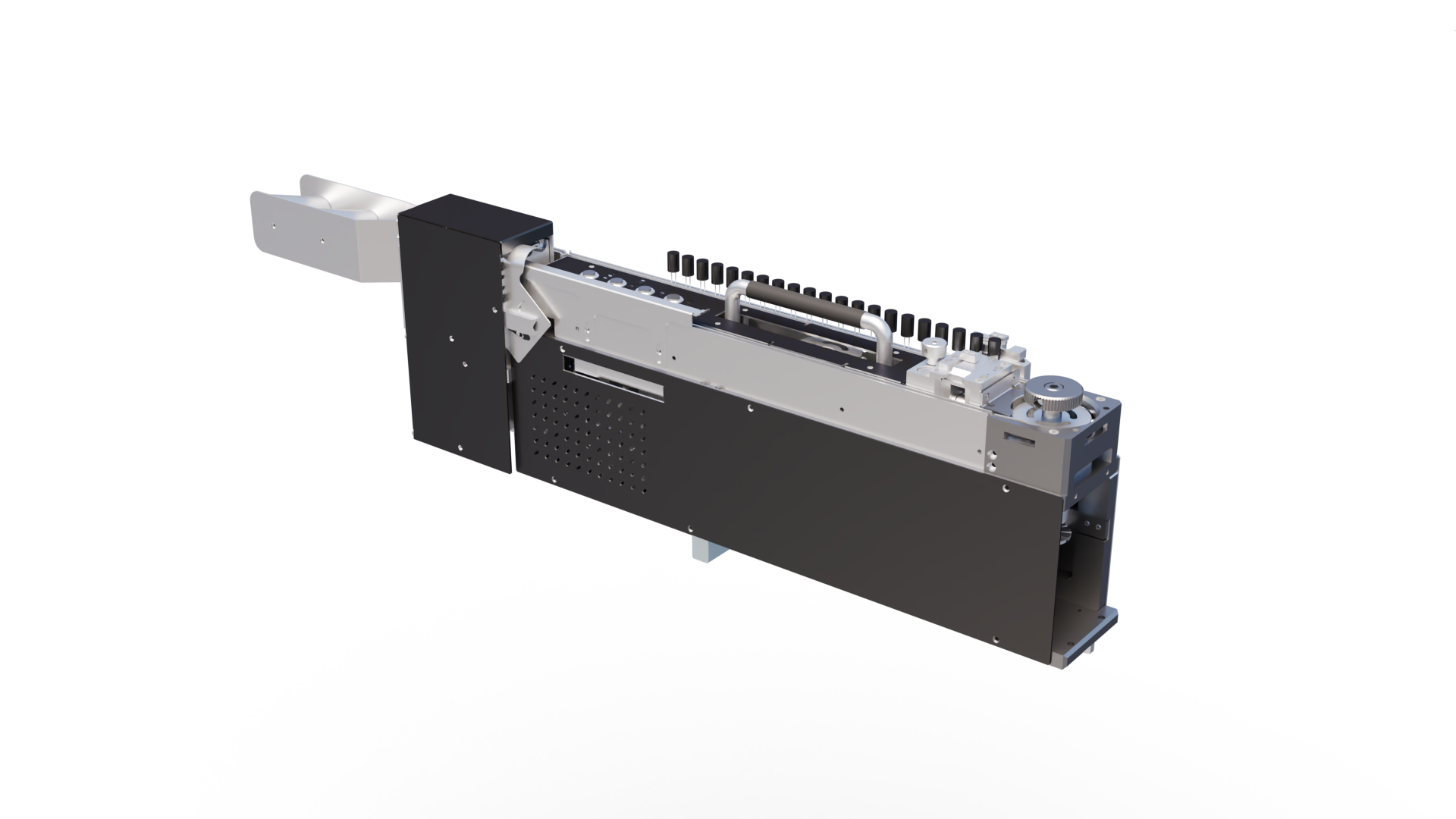
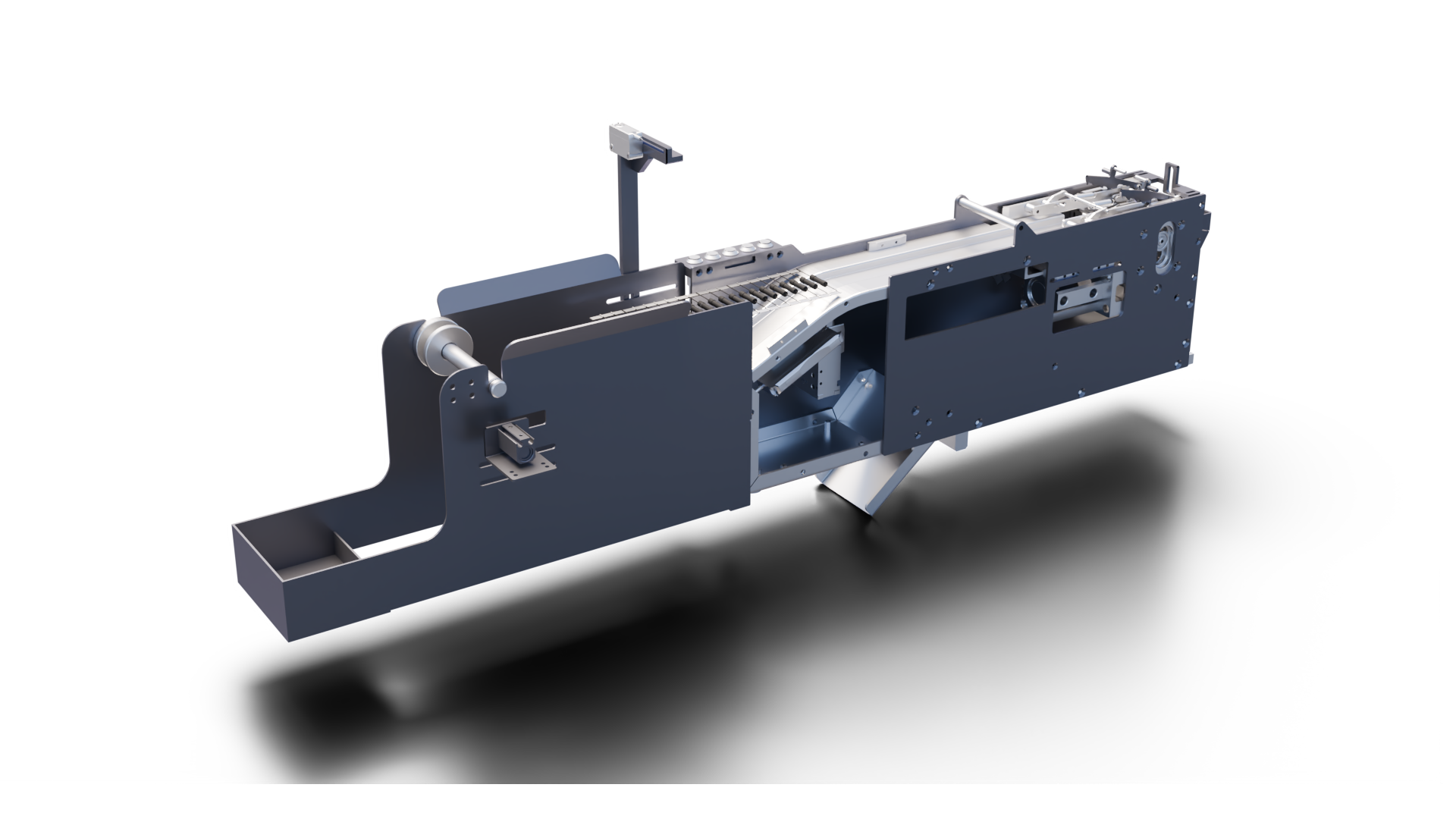
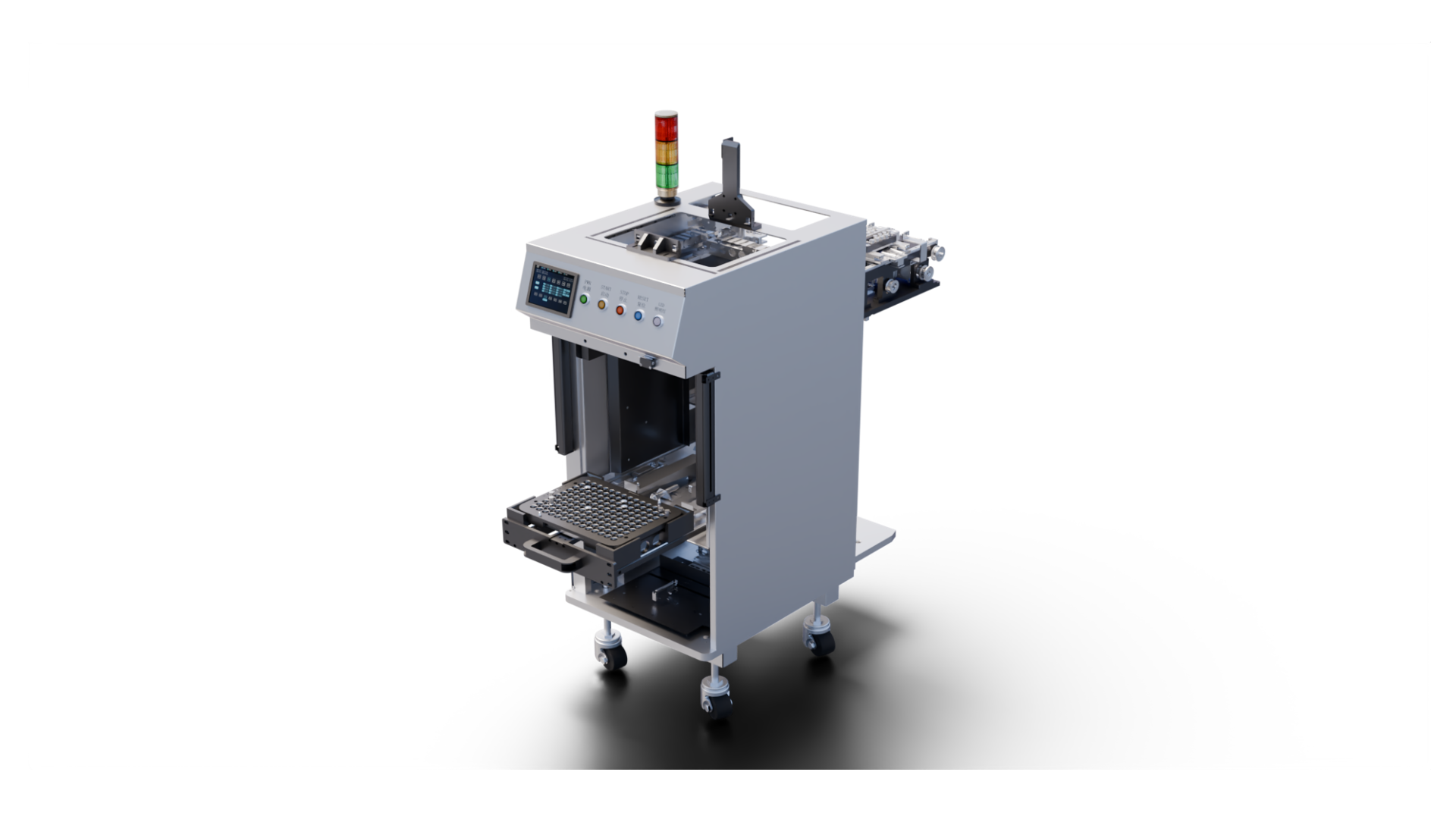
The double-layer material magazine that supplies an odd-form component inserter serves as the core peripheral equipment and material management center for the automatic odd-form component insertion machine. It is a three-dimensional, modular storage and conveying unit specifically designed for the orderly storage, batch replacement, and automatic identification of tape‑fed or tube‑packed odd‑form electronic components (such as vertical/horizontal resistors, capacitors, diodes, inductors, connectors, etc.) to be fed into the inserter. As such, it is a key supporting system for achieving efficient and flexible insertion production.
☆ Achieve "zero line-stop" material changeover, maximizing Overall Equipment Effectiveness (OEE).
☆ Build flexible production cells for rapid response to high-mix, low-volume orders.
☆ Standardized material management with error-proofing (poka-yoke), enhancing quality and traceability.
Core Role:
The device's core task is to act as the "ammunition magazine" and "logistics officer" for the odd-form component inserter, addressing the bottleneck in feeding odd‑form components.
Main Functional Process:
Centralized storage & handling:
The magazine is typically designed with two (or more) stacked layers, each containing multiple independent material slots (stations). Each slot can hold one tape reel or one tube of components. A single magazine can simultaneously carry dozens of different component types.
Rapid complete changeover:
When switching to a different product, the operator does not need to replace tapes or tubes one by one next to the inserter. Instead, the complete set of materials required for the next product is pre‑loaded onto another double‑layer material magazine outside the production line.
Seamless switching & docking:
When a changeover is needed, the magazine currently on the line is removed entirely via guide rails or a transport device, and the pre‑loaded magazine is pushed into place, precisely docking with the inserter's feeder interface.
Signal identification & communication:
Each material slot on a modern magazine is typically equipped with sensors or an ID chip. These provide feedback to the inserter's control system regarding material status (e.g., empty alarm) and confirm the type and position of the material, preventing loading errors.
Pain Points Solved:
Conventional odd‑form component feeding requires operators to replace tapes or tubes one station at a time alongside the machine, leading to long changeover times (up to several hours), high error rates, and low machine utilization. The double‑layer material magazine fundamentally changes this process through off‑line material preparation and complete magazine‑swap changeover.
☆ Achieve "zero line-stop" material changeover, maximizing Overall Equipment Effectiveness (OEE).
This is the most core value. The inserter itself is expensive, and any downtime represents significant waste. The double‑layer material magazine system allows one magazine to feed the inserter online while another magazine is pre‑loaded offline for the next production task. When a changeover is required, the operation essentially becomes "replacing the entire material library," reducing changeover time from hours to minutes (typically 5–15 minutes). This pushes the inserter's uptime to its practical limit and directly increases OEE.
☆ Build flexible production cells for rapid response to high‑mix, low‑volume orders.
By equipping multiple double‑layer magazines, each pre‑loaded with materials for a different product, the production line can switch between products as quickly as "changing a game cartridge." This perfectly meets the flexible production demands of modern manufacturing—high mix, low volume, rapid delivery—significantly shortening production cycle times and improving the factory's responsiveness to market changes.
☆ Standardized material management with error‑proofing, enhancing quality and traceability.
The magazine enforces standardized loading and positioning of materials. Combined with barcode/RFID identification technology, it ensures that "the right material is in the right place." This fundamentally eliminates manual feeding errors such as incorrect component types or polarity, thereby improving first‑pass yield and batch consistency. At the same time, all material change records can be tracked by the system, meeting the requirements of high‑quality management and production traceability.

 Consultation
