

EN


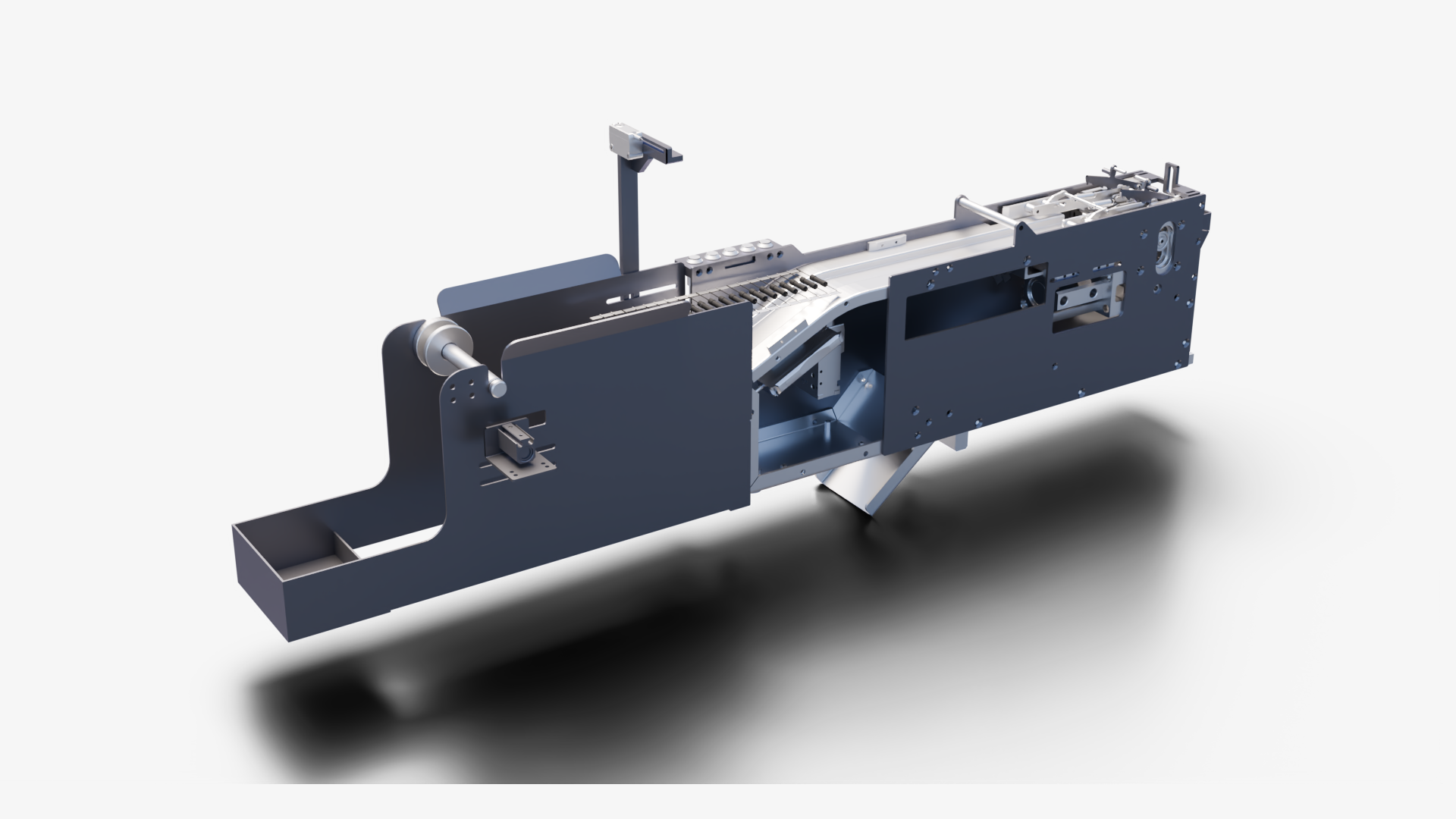
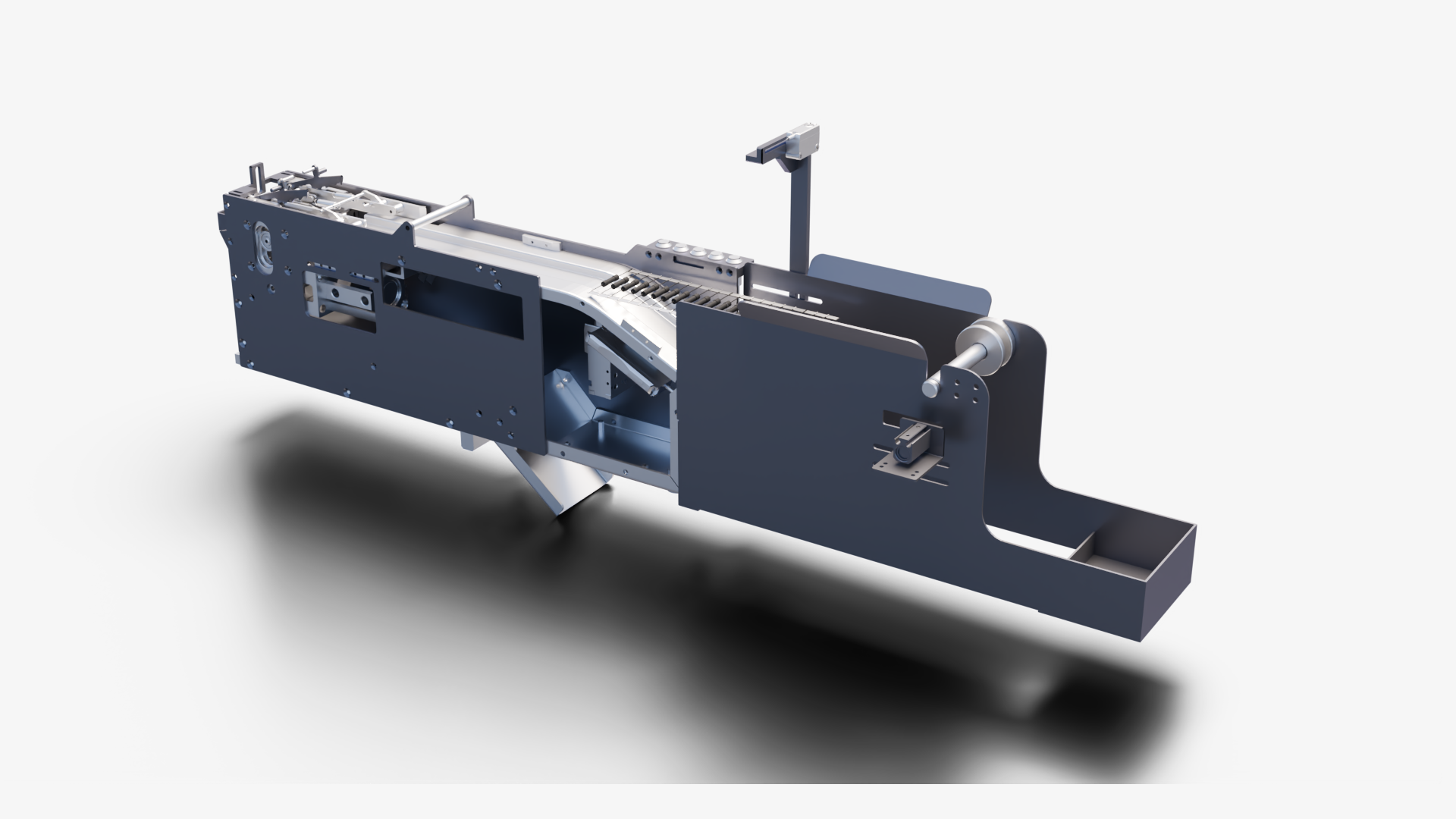
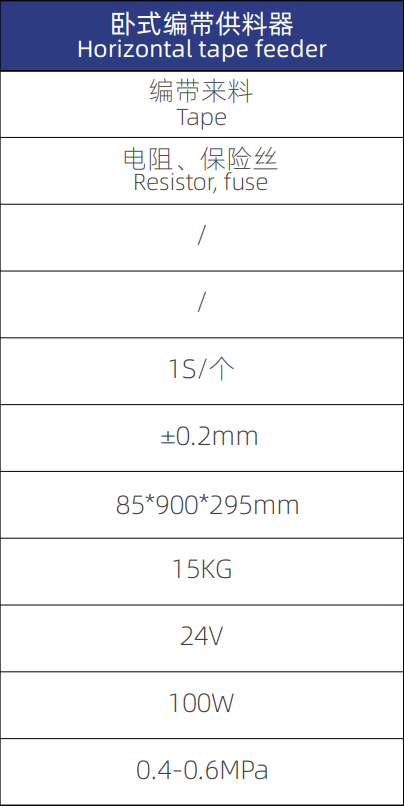
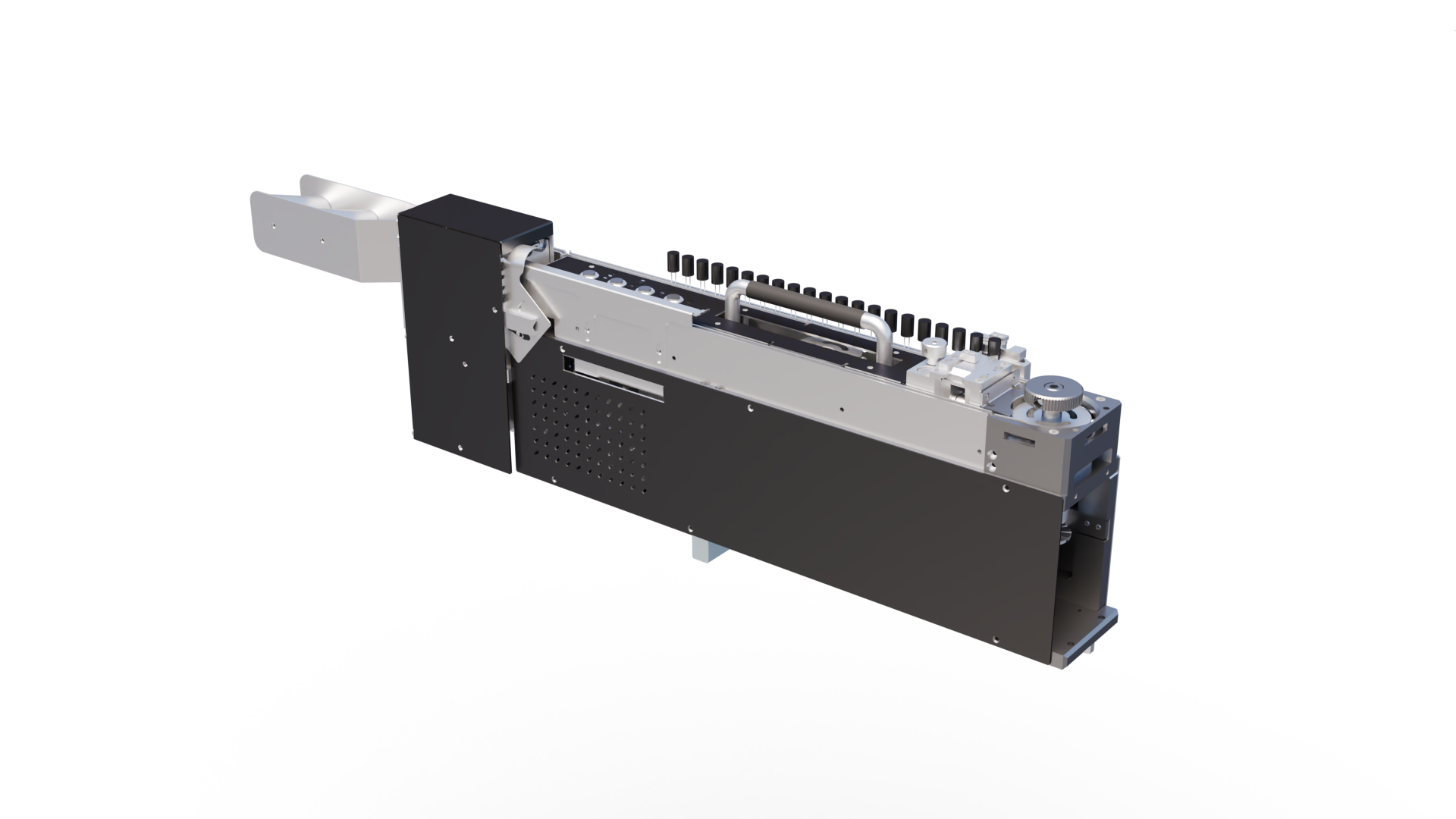
The horizontal tape feeder is an automated feeding device specifically designed for specific scenarios in surface mount technology (SMT) production lines. Its core characteristic is that the reel is wound and fed in a horizontal direction, as opposed to the vertical direction of traditional vertical feeders. It is primarily used for efficiently and stably handling and supplying tape‑packaged electronic components, with particular optimization for space utilization and compatibility with long‑sized components.
☆ Achieve high-density station configuration to increase single‑machine throughput
☆ Enhance feeding stability for non‑standard / odd‑form components to ensure quality
☆ Optimize line layout and maintainability to reduce overall costs
The basic functions of the horizontal tape feeder are consistent with those of a standard tape feeder: precise step‑by‑step tape feeding, cover tape peeling, and supplying components to the pick‑up head of the placement machine. However, its unique horizontal design aims to overcome the limitations of vertical feeders in certain situations.
Main design features and targeted applications:
Horizontal reel layout: The reel shaft is mounted horizontally, and the carrier tape unwinds and moves in a horizontal plane. This significantly reduces the overall height of the feeder.
Optimized space usage: It is better suited for installation underneath the placement machine platform or in compact production lines with limited vertical space, enabling a higher density of station configurations.
Excellent for handling long/large or heavy components: The horizontal winding method provides more even tension on the carrier tape and smoother feeding. It is particularly suitable for longer, heavier, or odd‑shaped taped components such as large electrolytic capacitors, inductors, relays, terminal blocks, etc., reducing the risk of tape jams or component flipping inside the pocket.
Easier observation and maintenance: The reel and feed path are more accessible for visual inspection and manual intervention (e.g., handling temporary issues like tape wrinkling).
Typical application scenarios:
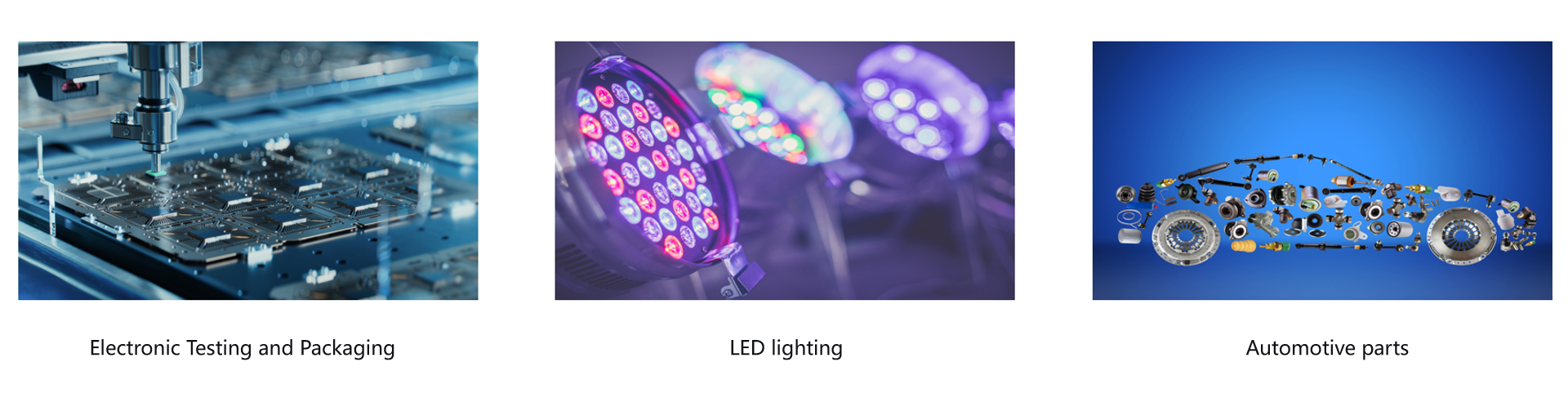
Automotive electronics and power supply modules, which frequently use tall electrolytic capacitors and large inductors.
SMT lines with limited space, or compact placement machines.
Any PCBA production process that requires high‑reliability feeding of long‑sized components.
☆ Achieve high‑density station configuration to increase single‑machine throughput
This is its most prominent physical characteristic. The reel is placed horizontally, and the entire feeding path is completed within a relatively thin plane, achieving a flat profile. This feature directly provides a significant advantage in space utilization and serves as the foundation for high‑density mounting.
☆ Enhance feeding stability for non‑standard / odd‑form components to ensure quality
Thanks to its low‑profile design, the horizontal feeder can accommodate more stations within the same mounting area of the placement machine. For example, in a vertical space that would normally allow only one vertical feeder, it may be possible to stack two horizontal feeders, greatly increasing the placement machine’s material handling capacity.
☆ Optimize line layout and maintainability to reduce overall cost
It is specifically optimized for handling taped components that are longer and heavier. During horizontal transport, the longer side of the component is supported by the carrier tape cavity, avoiding the “cantilever” effect that occurs in vertical orientation. This ensures smooth and reliable feeding, making it the ideal choice for handling special components.

 Consultation
