

EN


Project Background
Multiple projects have been implemented at domestic benchmark automakers. With the rapid growth of the new energy vehicle industry, the complexity and integration of vehicle electronic control systems are continuously increasing, placing higher performance and reliability demands on key modules such as MCUs and OBCs. Traditional manual burn‑in and testing methods – characterised by low efficiency, poor test consistency, and insufficient data traceability – are no longer able to meet the requirements of high‑quality and large‑scale production.
The current manufacturing processes are primarily confronted with the following challenges:
√ Low manual operation efficiency, making it difficult to meet the demands of high‑volume production.
√ Lack of standardised testing procedures, resulting in insufficient product consistency and reliability.
√ High energy consumption and labour intensity during the burn‑in process, leading to elevated operational costs.
√ Lack of automation and digitalisation support, preventing full‑process quality traceability.
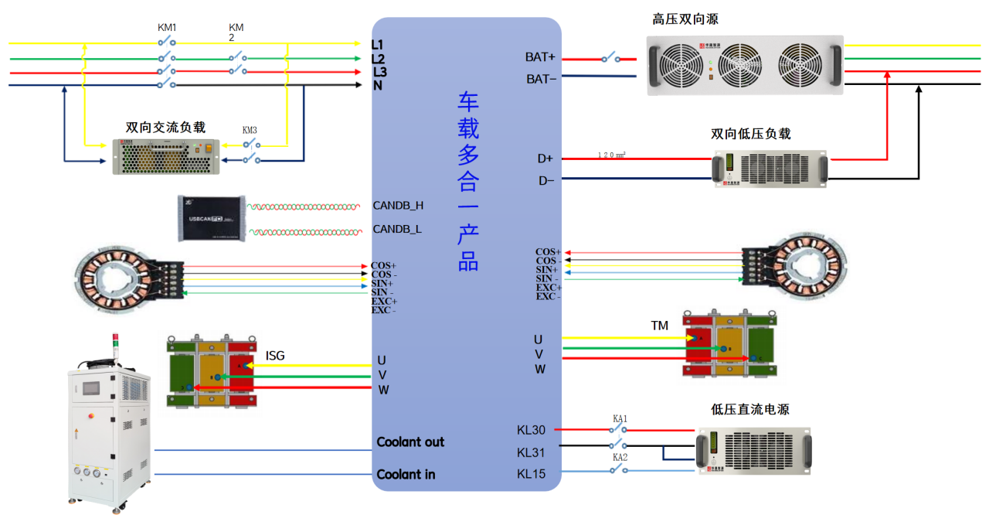
To address the above challenges, the client plans to build an integrated MCU & OBC multi‑in‑one automated burn‑in test line. The system adopts a configuration combining RGV shuttles and a warehouse storage layout to achieve automated scheduling and burn‑in testing of products. Through intelligent control and environmental management, the system will enhance testing efficiency and accuracy, reduce energy consumption and labour input, and support the client's transition toward smart manufacturing and a high‑efficiency testing system.
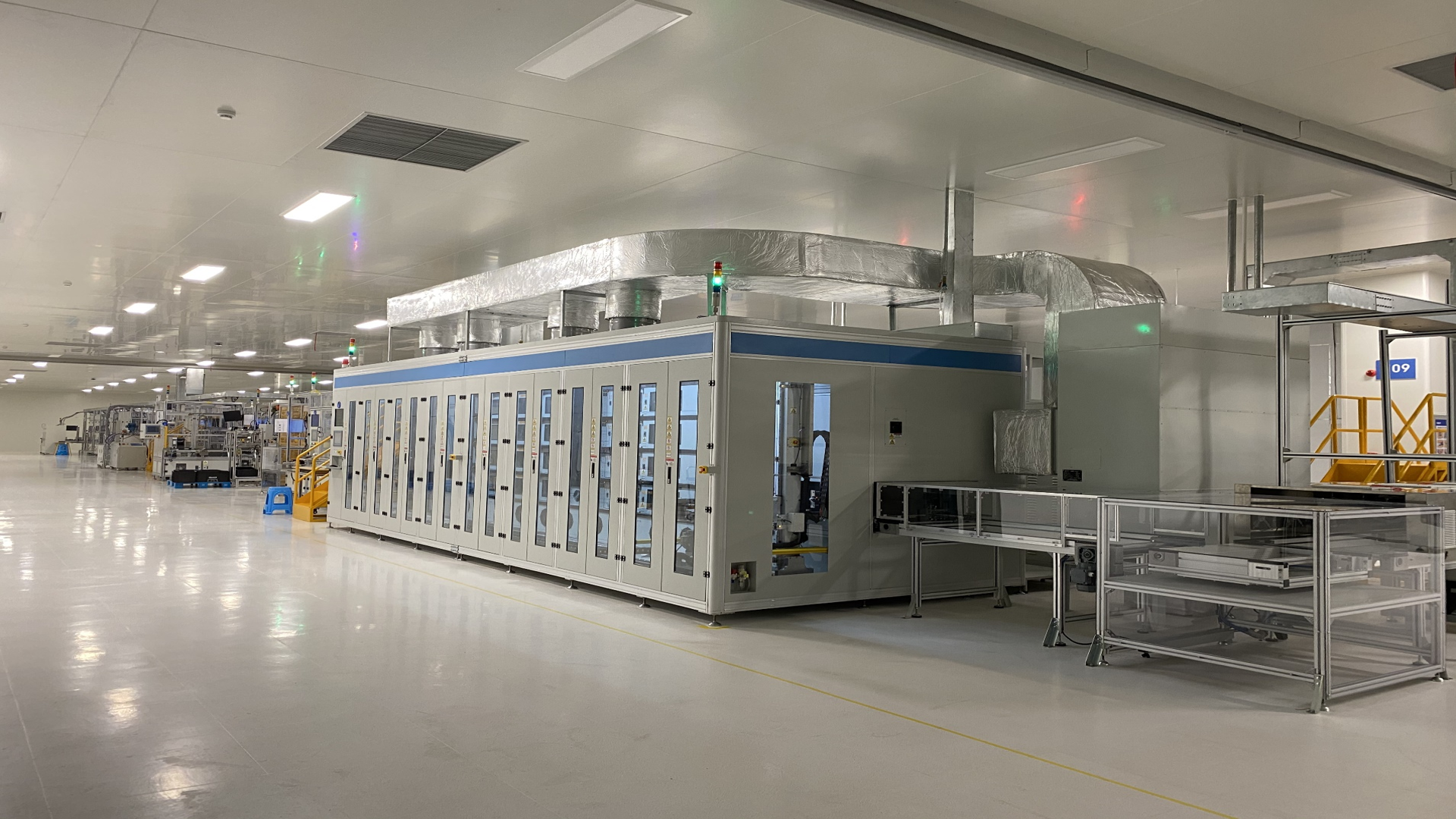
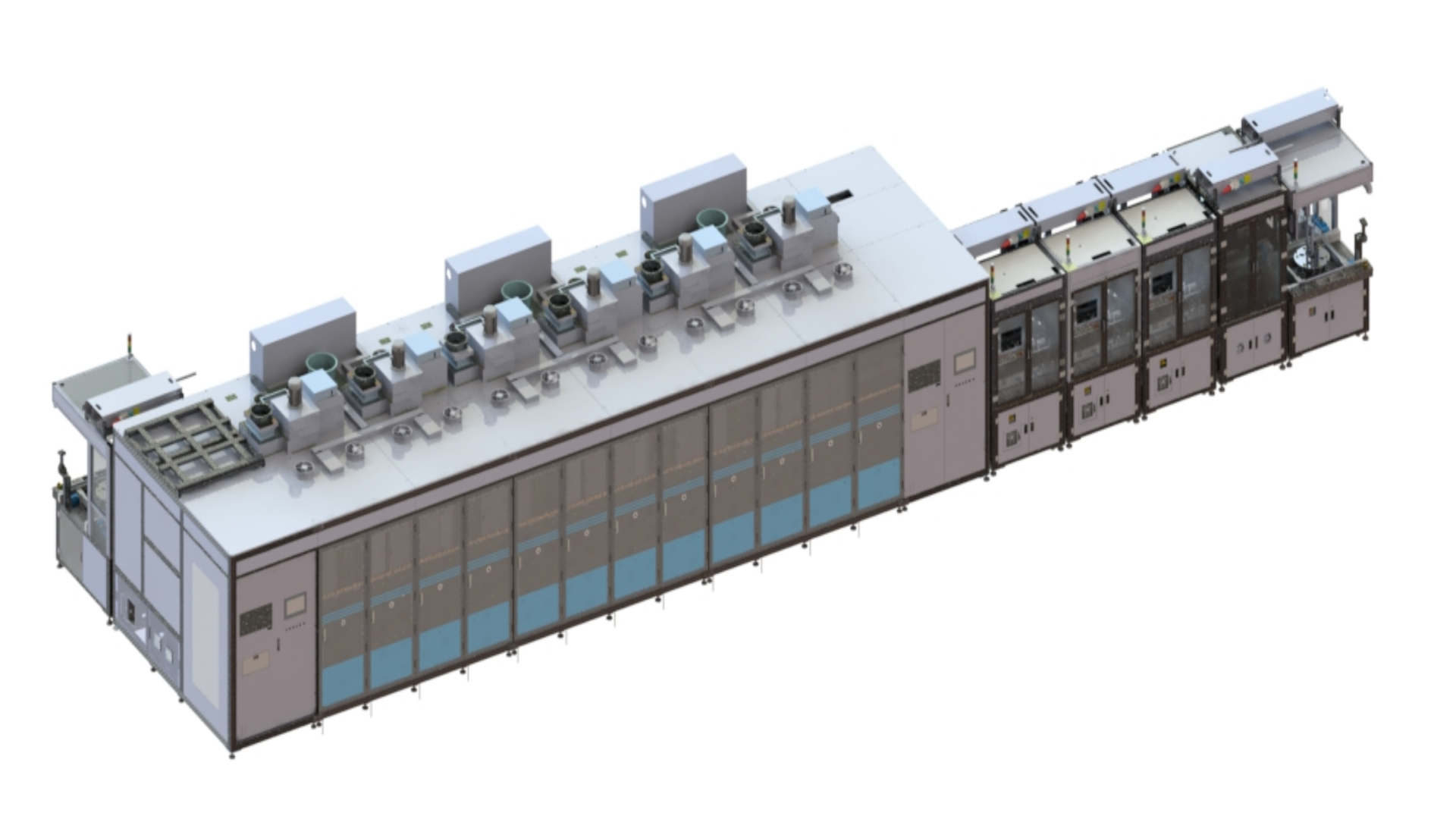
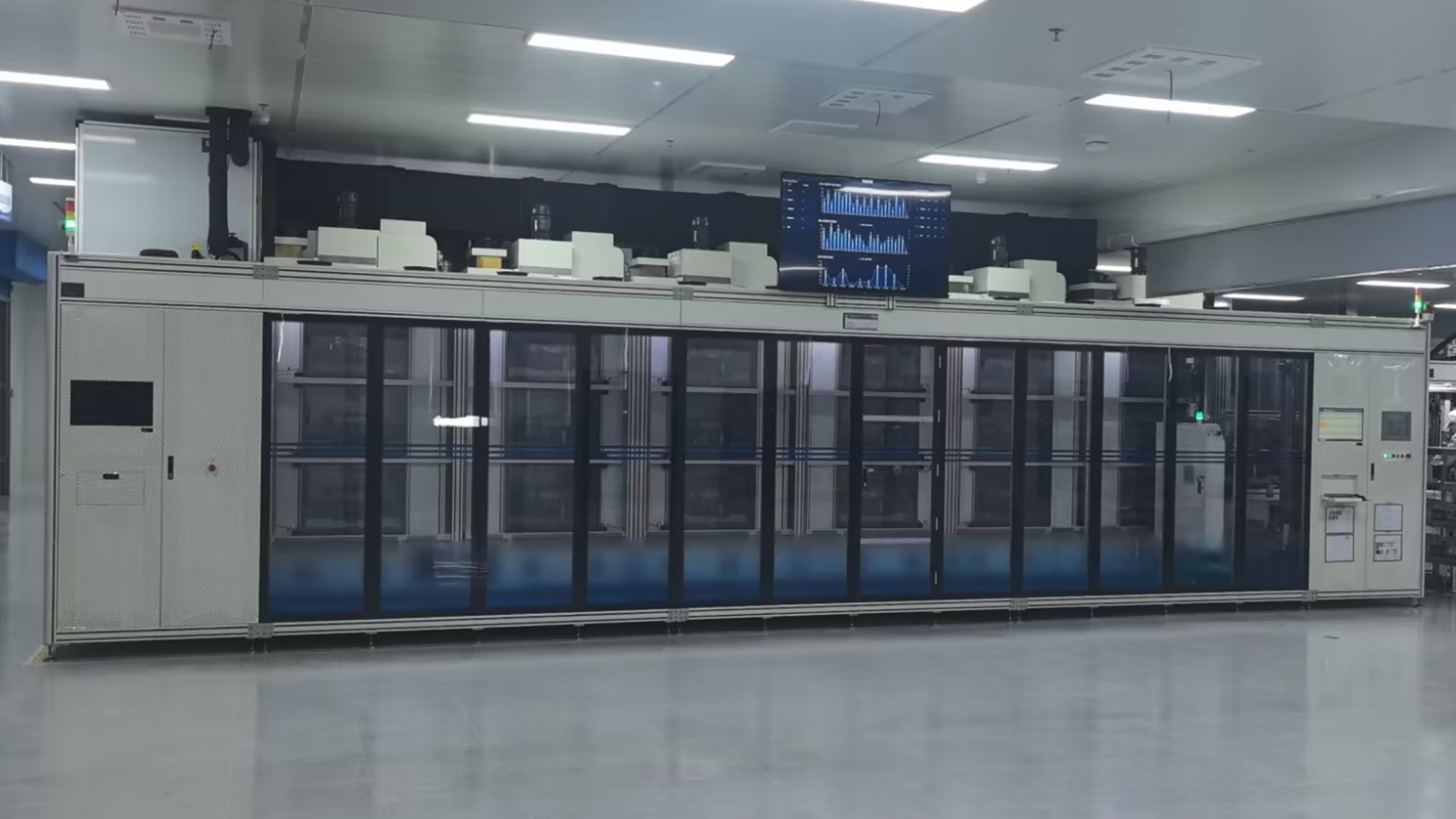
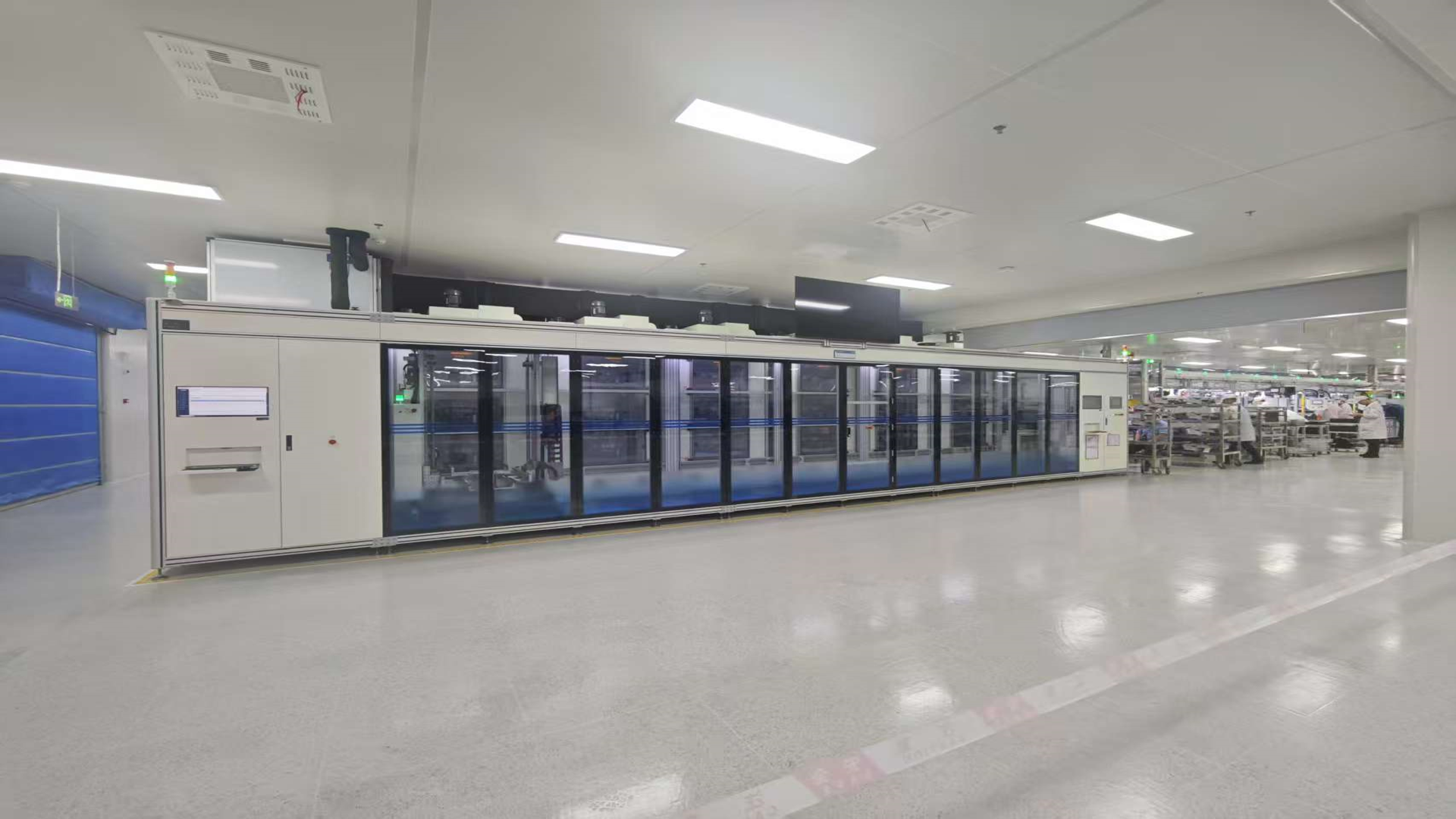
First、Equipment Overview and Core Capabilities
1.Equipment Name / Purpose:Integrated MCU & OBC multi‑in‑one automated burn‑in test line for new energy vehicles.
2.Core Objectives:To achieve automated testing and automated burn‑in of products, enabling fully automated burn‑in operations.
3.Operating Mode:Utilises a combination of RGV (Rail‑Guided Vehicle) shuttles and a warehouse storage configuration for burn‑in storage positioning, maximising product throughput within the available footprint.
4.Logistics System:RGV shuttles are responsible for automated scheduling and transfer of burn‑in carriers. The complete automation system is supplied by Guanjia.
Second、Burn‑In Room Specifications and Parameters
1.Dimensions:12m (L) × 4m (W) × 2.8m (H).
2.Capacity Configuration:Accommodates up to 24 products for simultaneous burn‑in testing, with RGV achieving a throughput of 20 units per hour.
3.Environmental Control:Temperature range: 80°C ± 4°C (adjustable). Heating function only; products are cooled via the built‑in water‑cooling system throughout the burn‑in process.
4.Additional Features:Post‑cooling residual water removal function; control logic automatically switches based on product model.

This equipment is applicable to manufacturers of integrated MCU & OBC multi‑in‑one products for new energy vehicles, enabling early failure screening, high‑current cyclic surge testing, unmanned continuous operation, and production capacity enhancement.
Applicable Manufacturers Include:
Integrated MCU Multi‑in‑One Product Manufacturers
NEV Integrated MCU Equipment Manufacturers (On‑Board Chargers, DC/DC Converters, etc.)
Integrated MCU Contract Manufacturers (EMS Factories)
NEV Component Suppliers (High‑Voltage Connectors, etc.)




 Consultation
