

EN


Project Background
A well‑known domestic automotive manufacturer, facing the rapid expansion of the new energy vehicle market and increasing consumer demand for charging convenience, is confronted with the following challenges:
√ Low manual operation efficiency, making it difficult to meet the rapidly growing market demand
√ Inconsistent testing standards due to manual operations, resulting in unstable product quality.
√ High power consumption during the burn‑in testing process, leading to persistently high operating costs.
√ Delayed production data collection, preventing full‑process quality traceability and real‑time monitoring.
To address these issues, the customer has decided to introduce a fully automatic burn‑in test line solution to enhance production efficiency and product reliability while reducing energy consumption.
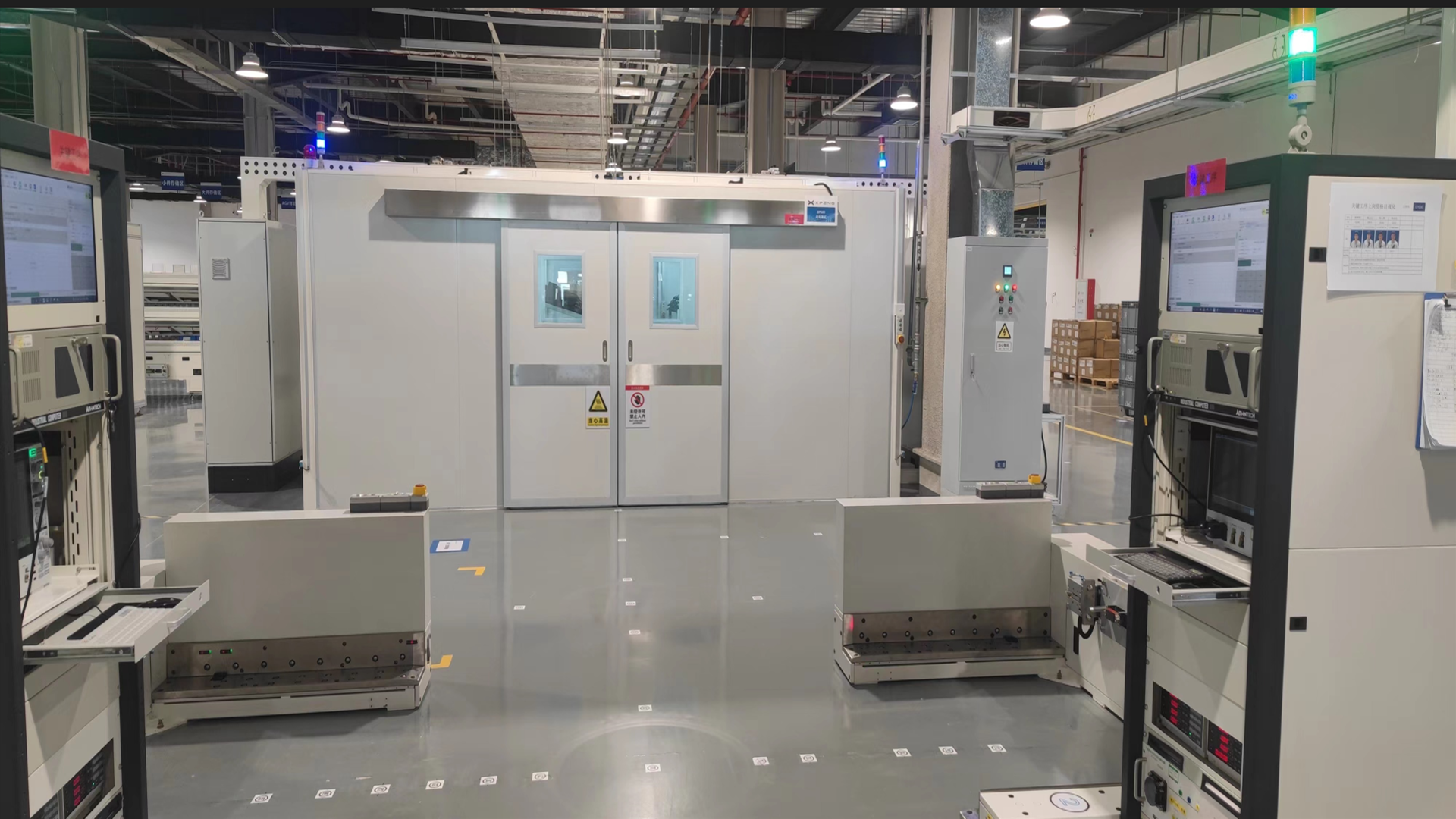
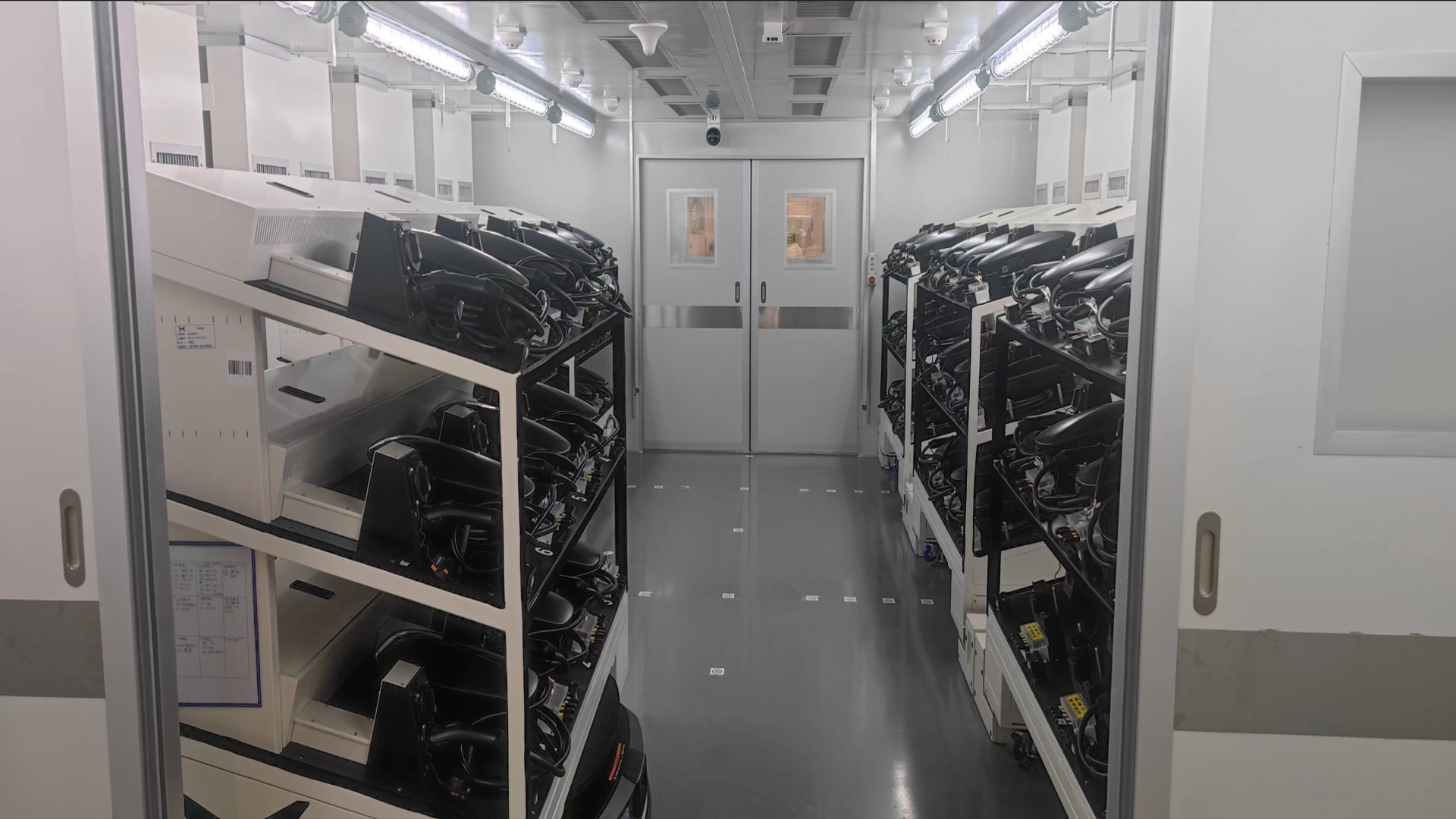
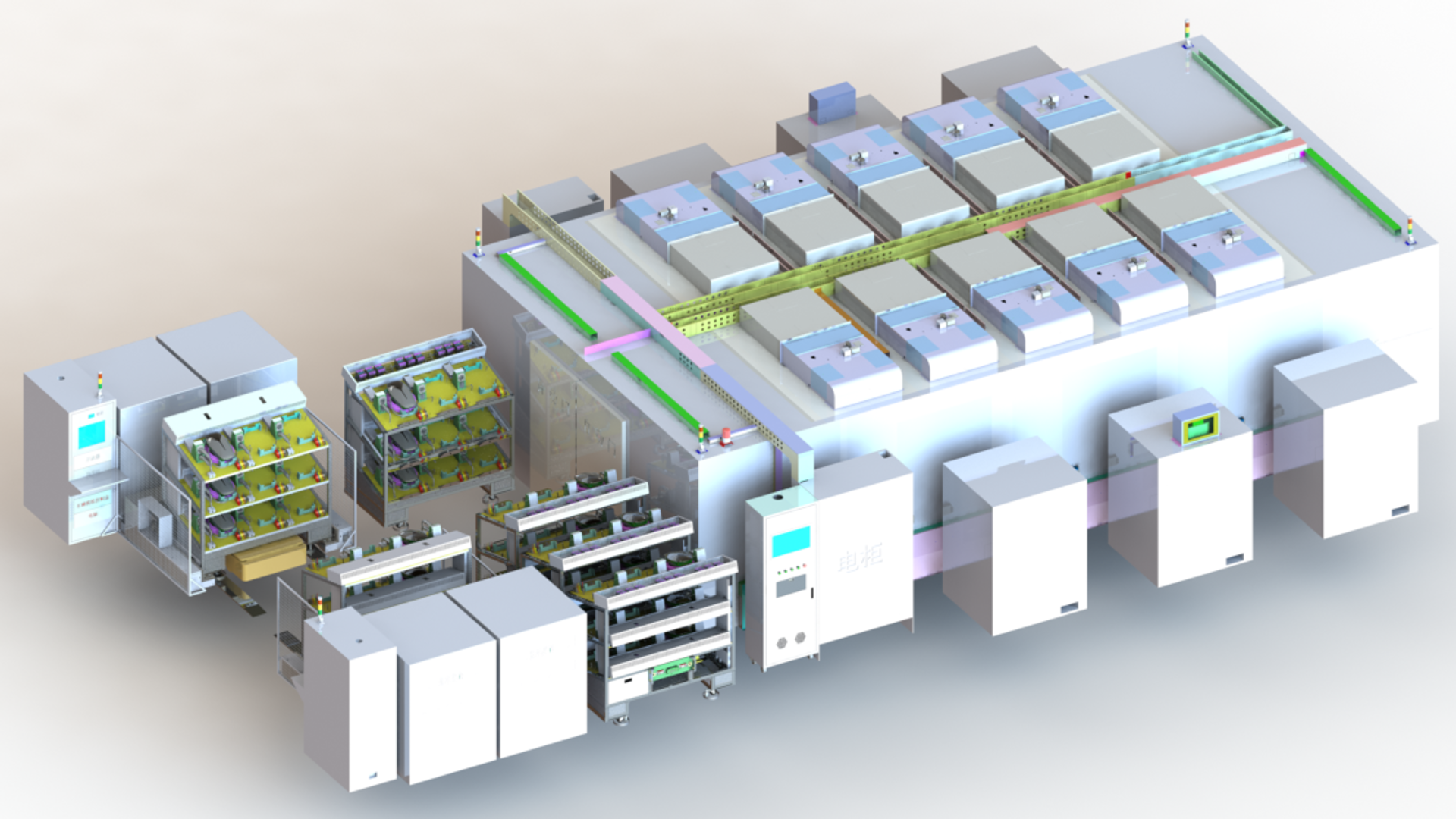
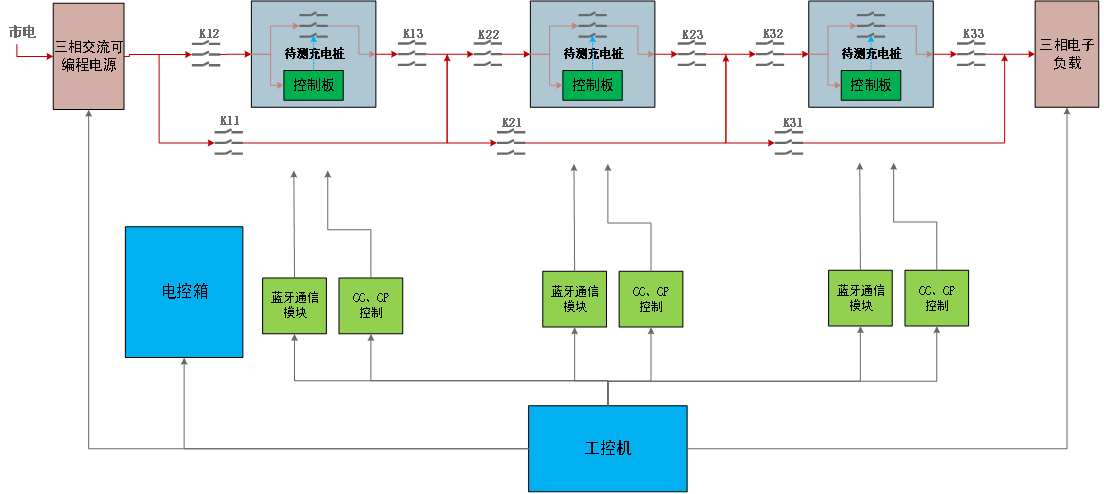
I. Equipment Overview and Core Capabilities
Equipment Name / Purpose:
Automated burn‑in test line for single‑phase 7kW pole‑mounted home charging products.
Core Objectives:
To achieve automated testing and automated burn‑in of products, enabling fully unmanned operations.
Operating Mode:
Utilises 9‑in‑1 transfer carts (each cart carrying 9 products) with seamless docking between assembly and burn‑in test chambers.
Logistics System:
AGVs (Automated Guided Vehicles) are responsible for the automated scheduling and transfer of burn‑in carriers. The complete automation system is supplied by Guanjia.
II. Burn‑In Room Specifications and Parameters
Dimensions:
10m (L) × 6m (W) × 2.2m (H).
Capacity Configuration:
Accommodates up to 6 burn‑in carriers simultaneously; each carrier holds 9 products; total burn‑in capacity per cycle: 54 units.
Environmental Control:
Temperature range: 20°C to 65°C (adjustable). Heating function only – the actual minimum achievable temperature is dependent on the workshop ambient temperature (workshop temperature +10°C up to 65°C). Control accuracy: ±3°C.
Additional Features:
Equipped with air/odour filtration system to ensure environmental quality within the burn‑in room.

This equipment is applicable to manufacturing enterprises engaged in high‑volume burn‑in testing of charging products, enabling early failure screening, high‑current cyclic surge testing, production capacity enhancement, and unmanned continuous operation.
Applicable Manufacturers Include:
Home Charging Pile Manufacturers (7kW AC Charging Piles)
NEV Power Supply Equipment Manufacturers (On‑Board Chargers, DC/DC Converters, etc.)
Charging Pile Contract Manufacturers (EMS Factories)
NEV Component Suppliers (High‑Voltage Connectors, Charging Sockets, etc.)



 Consultation
