

EN


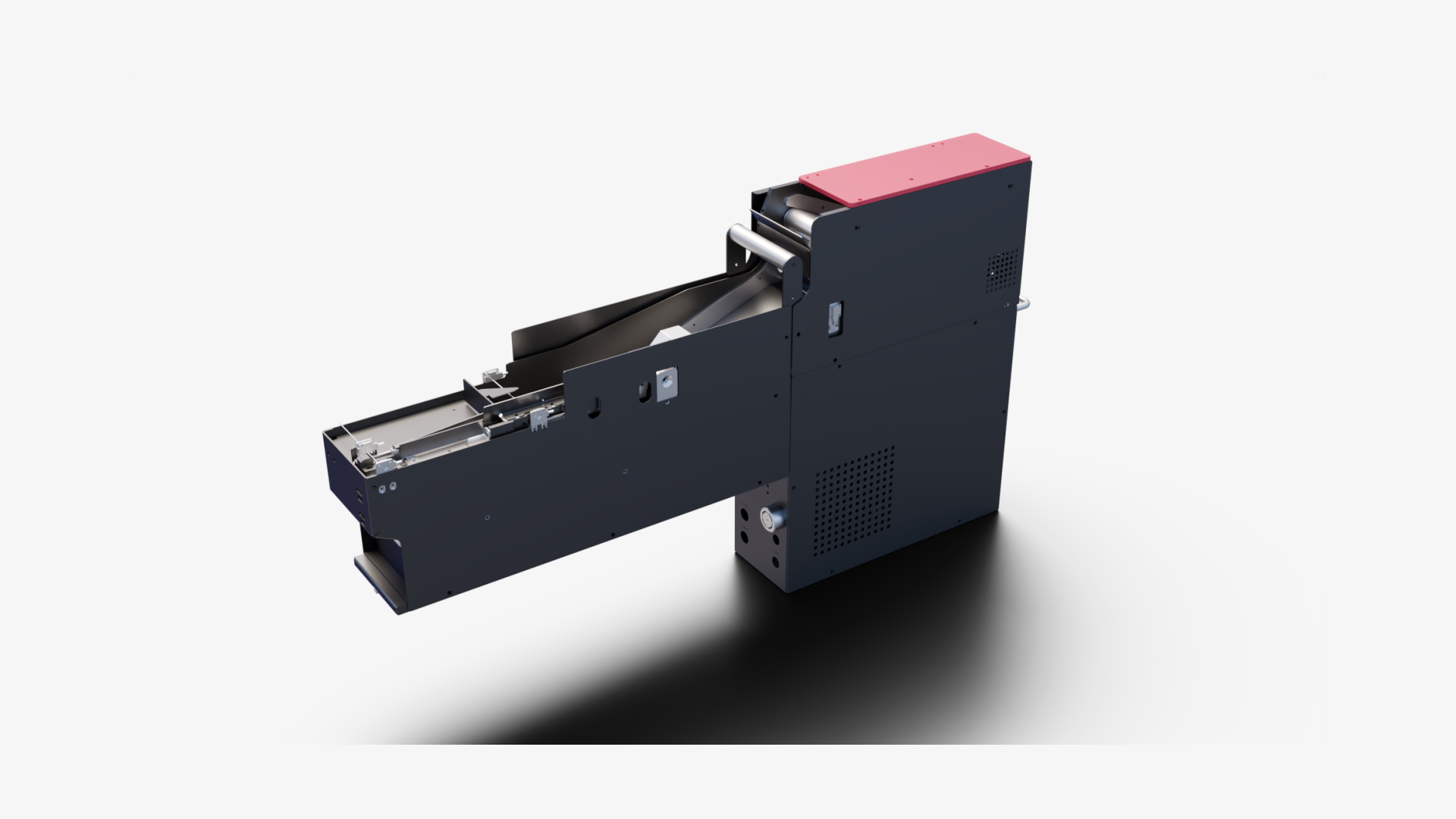
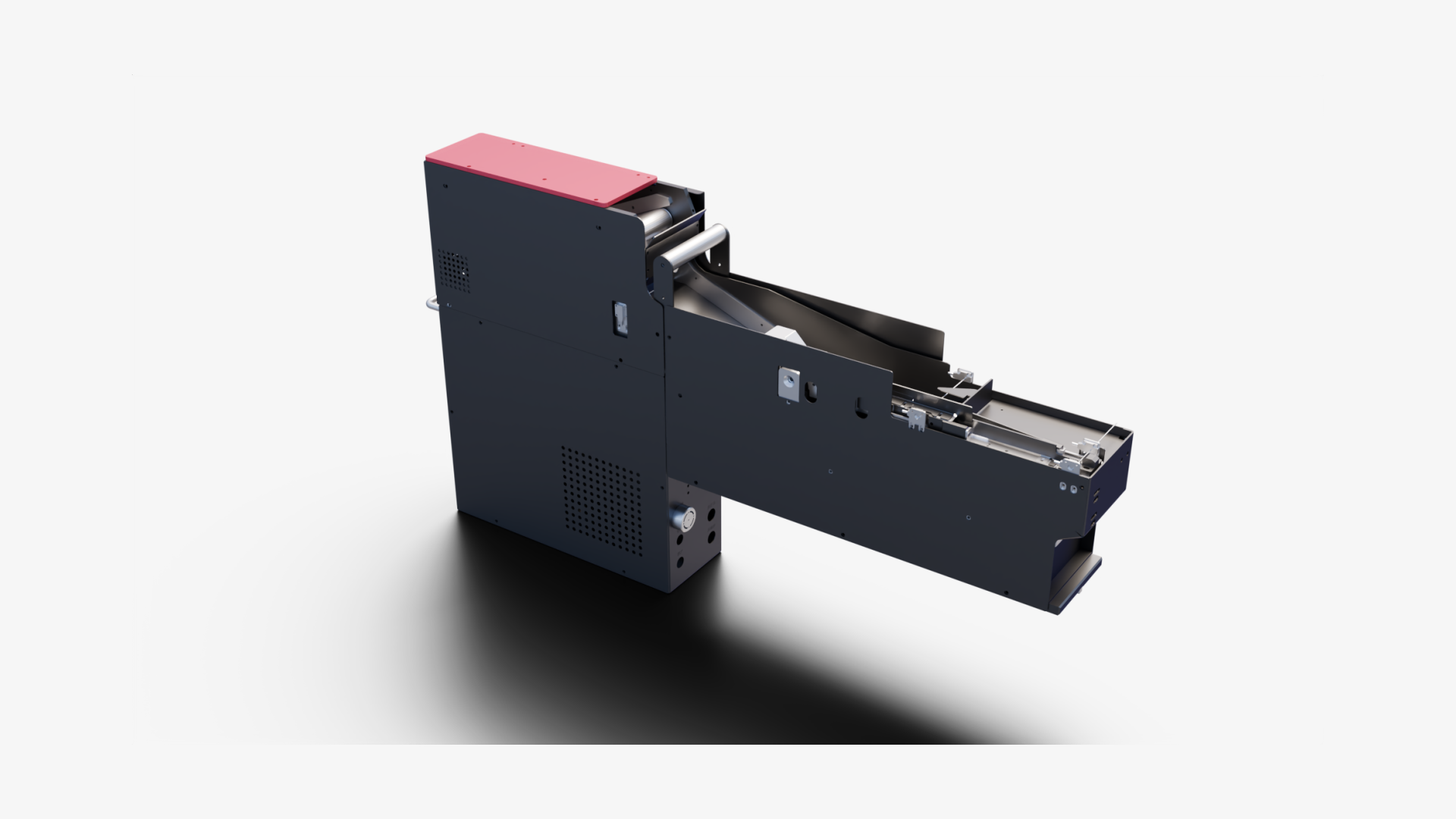
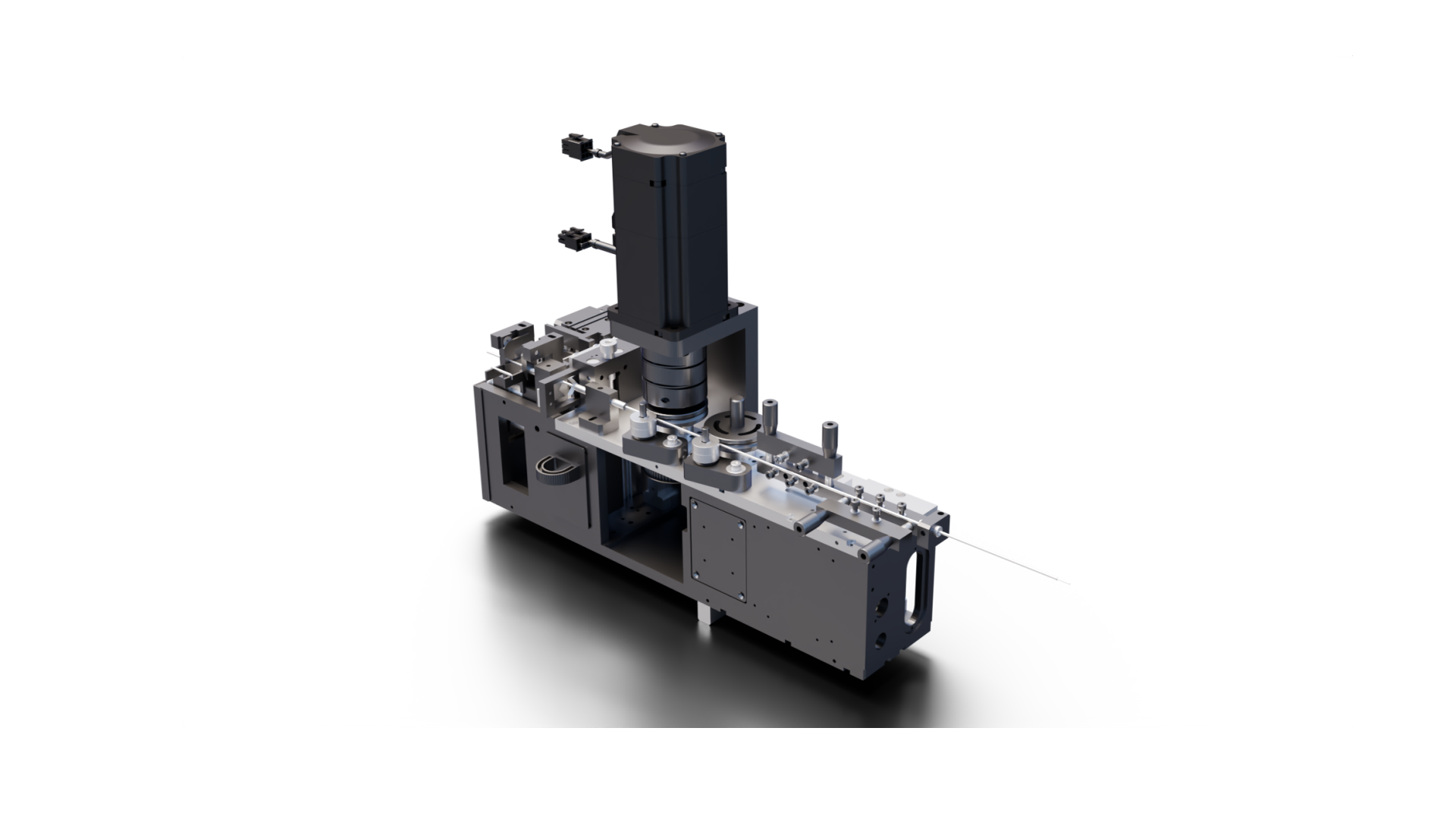
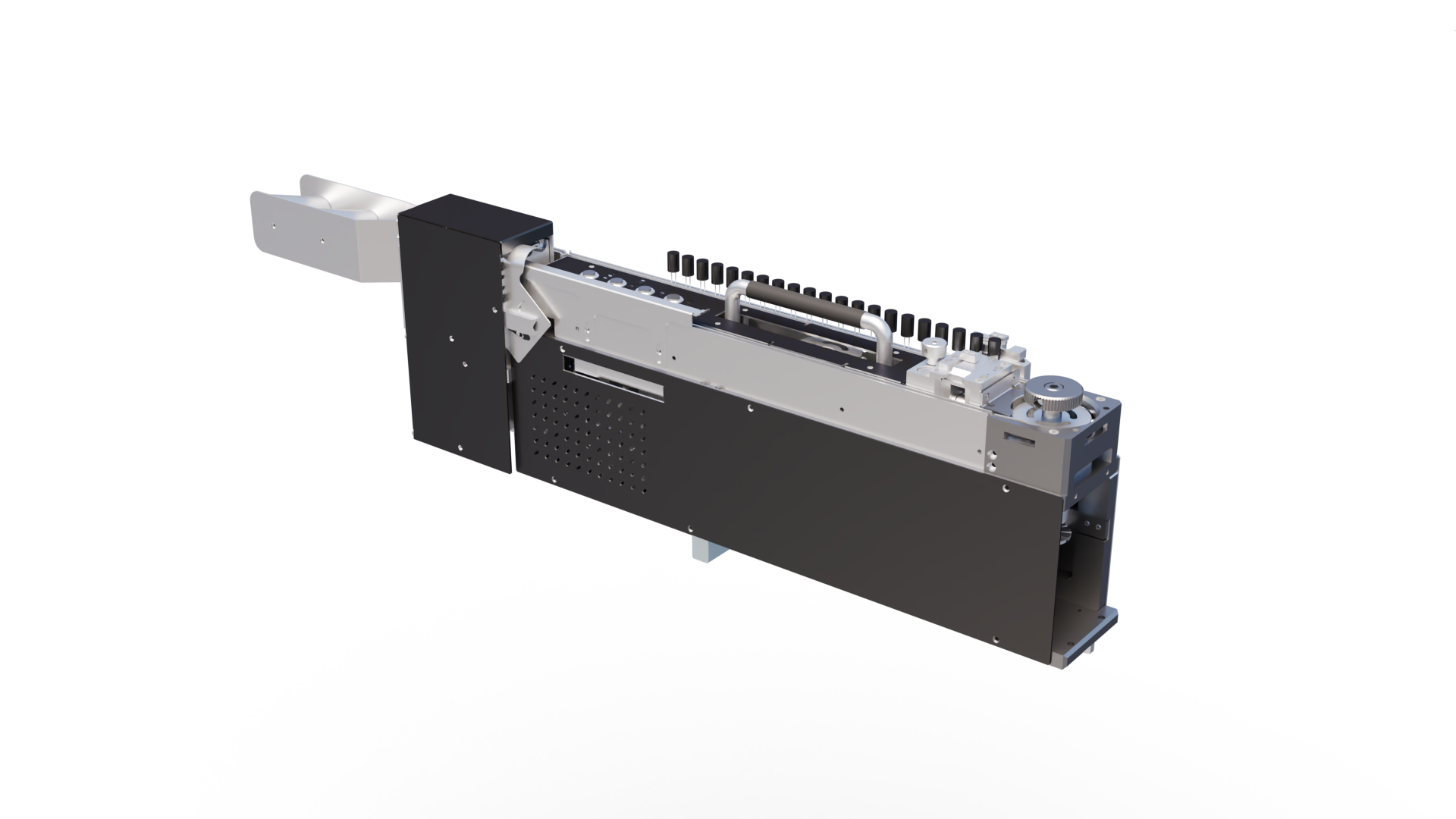
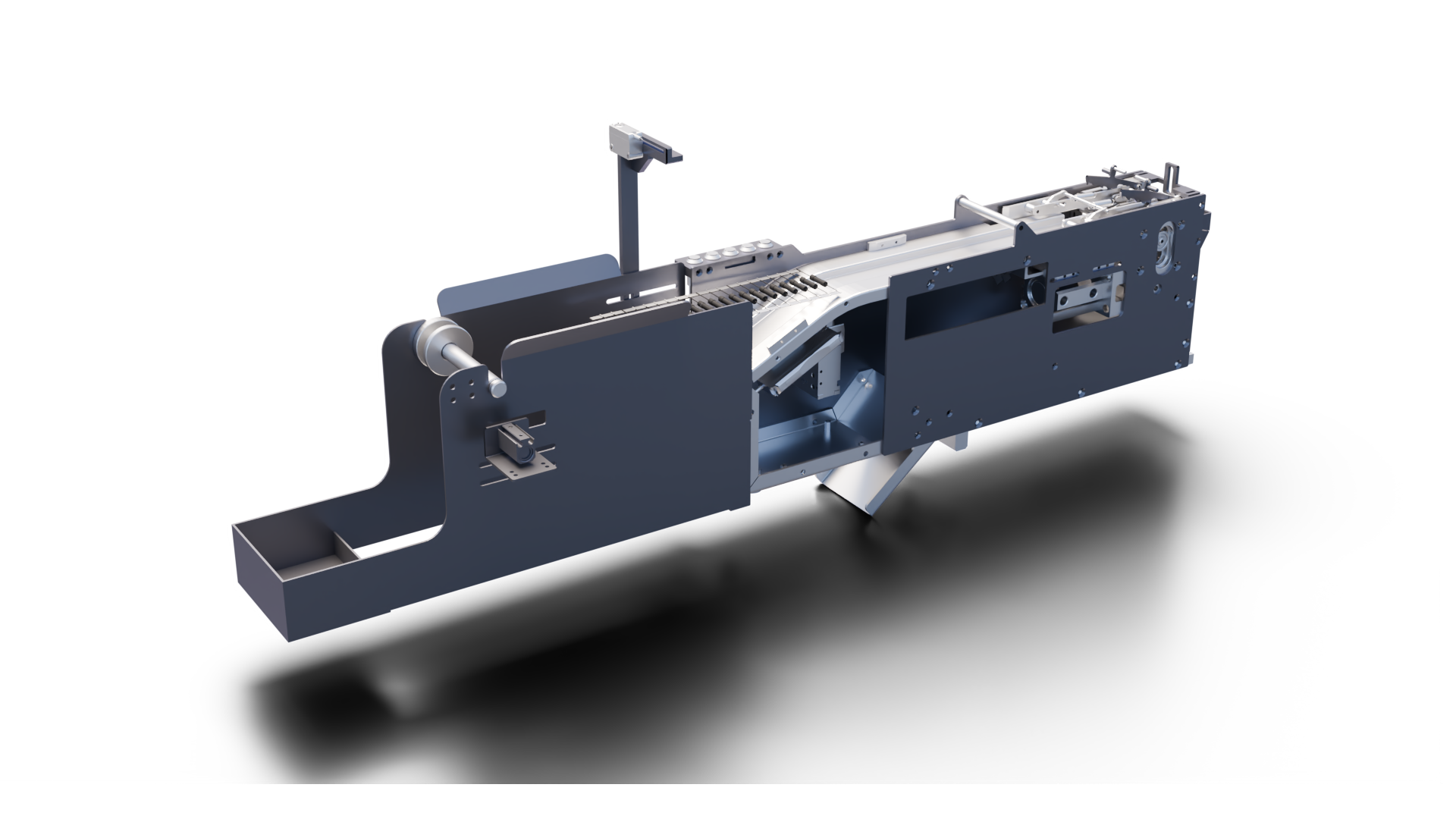
A reciprocating feeder for a forming machine is a high‑precision, high‑efficiency automated feeding device used in metal stamping and forming production lines. Its core function is to feed coil stock (metal strip) or sheet material into the die working area of a forming machine or stamping press through programmable, reciprocating gripping and pushing actions at a fixed step pitch (feed length). It is a core peripheral device that enables continuous, automated production.
☆ Achieve ultra‑high precision and stability, ensuring product consistency.
☆ Maximize production throughput and increase overall capacity.
☆ Enhance production flexibility while ensuring safety.
This device serves as a "precision transfer arm" connecting the uncoiling system to the forming unit, specifically designed to achieve stable, accurate intermittent feeding in high‑speed stamping operations.
Material preparation:
After uncoiling and straightening, the metal coil stock is guided to the infeed end of the reciprocating feeder.
Clamping & gripping:
The feeder's core mechanism (typically a pneumatic or servo‑driven gripper) firmly clamps the material.
Reciprocating feeding:
The gripper mechanism moves precisely along the feed direction by a preset feed pitch, pushing the material into the die.
Release & retraction:
Once the material reaches the specified position, the gripper releases and quickly returns to the starting point, ready for the next feed cycle. Simultaneously, the press performs its stamping or forming operation.
Cycle synchronization:
The entire feeding sequence is strictly synchronized with the ram cycle of the press/forming machine, enabling uninterrupted continuous production.
This system replaces traditional manual feeding or low‑end mechanical feeding, which suffer from low efficiency, poor accuracy, high safety risks, and intense labor requirements. It is especially suitable for high‑speed, high‑precision, and long‑stroke stamping applications.
☆ Achieve ultra‑high precision and stability, ensuring product consistency:
Driven by servo motors and precision linear guides, the feeding accuracy can reach ±0.02 mm to ±0.05 mm. This extremely high repeat positioning accuracy ensures that the material is accurately delivered to the center of the die at every step, which is a prerequisite for producing high‑precision stamped parts (such as precision terminals). It directly reduces scrap rates and ensures batch‑to‑batch consistency.
☆ Maximize production throughput and increase overall capacity:
The servo‑driven reciprocating feeder achieves extremely fast feeding speeds (up to several hundred strokes per minute) and is perfectly synchronized with the press ram motion. Its high‑speed, smooth reciprocating motion allows the press to run at its maximum designed speed without slowing down to wait for feeding, thereby maximizing the capacity of the forming machine and significantly improving overall line efficiency.
☆ Enhance production flexibility while ensuring safety::
Flexibility: Parameters such as feed length, number of steps, and feed height can be easily adjusted via a touchscreen, facilitating quick die changeovers for different products. This is particularly suitable for high‑mix, small‑to‑medium batch production.
Safety: Complete “man‑machine separation” is achieved; operators no longer need to place their hands near the dangerous die area, fundamentally eliminating the risk of personal injury and complying with modern factory safety standards.

 Consultation
