

EN


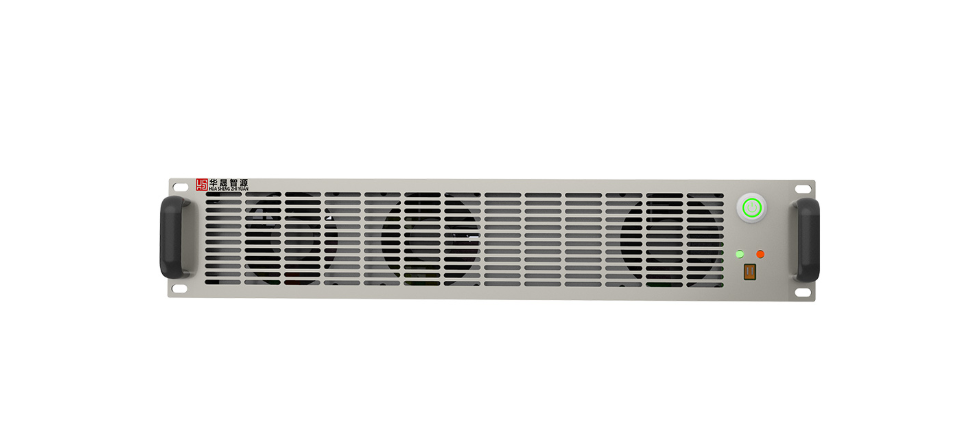
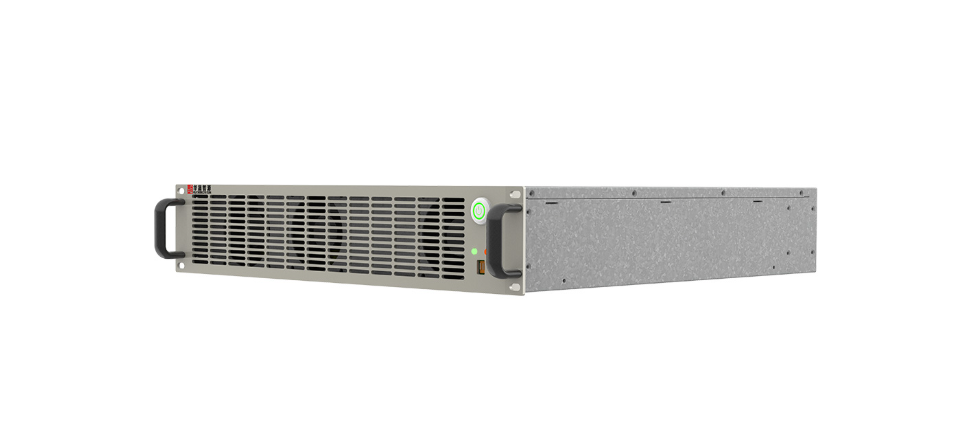
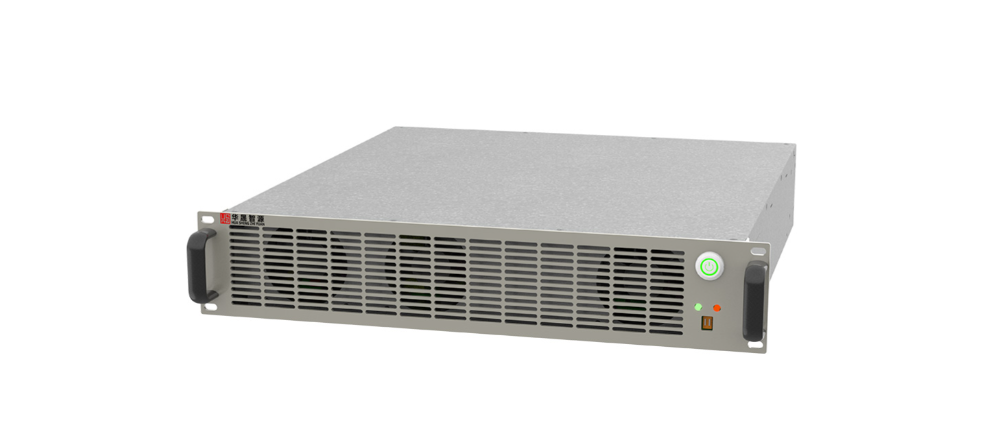
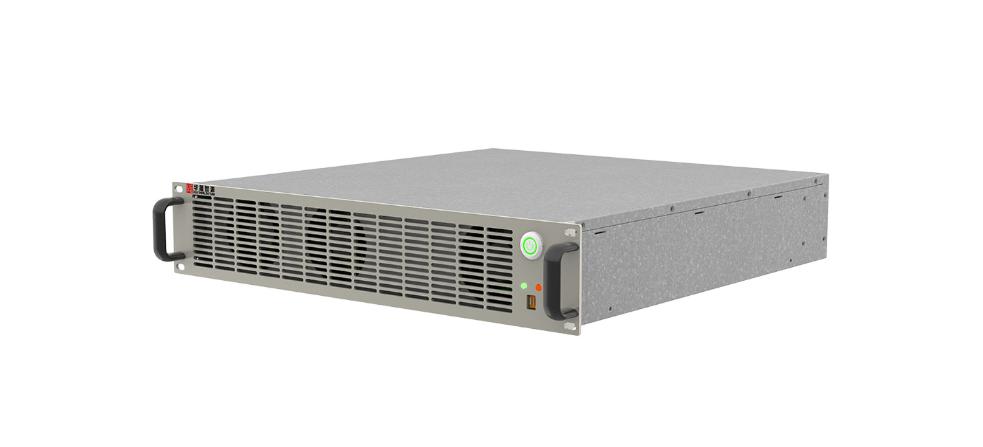
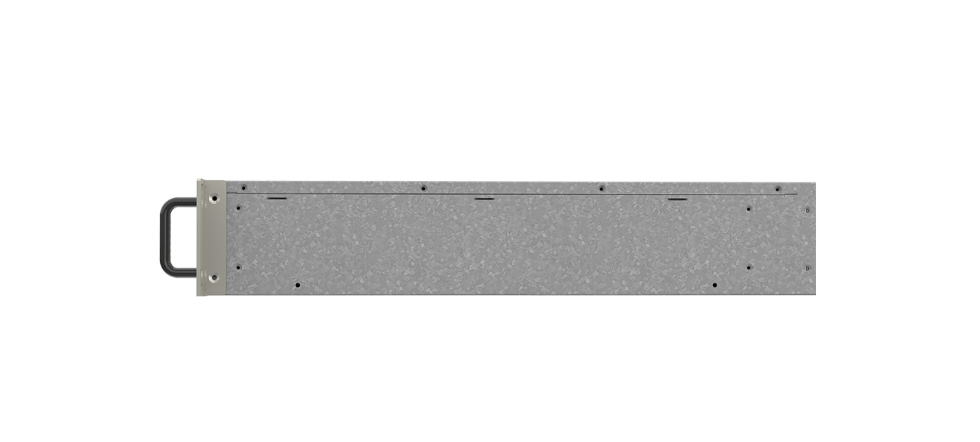
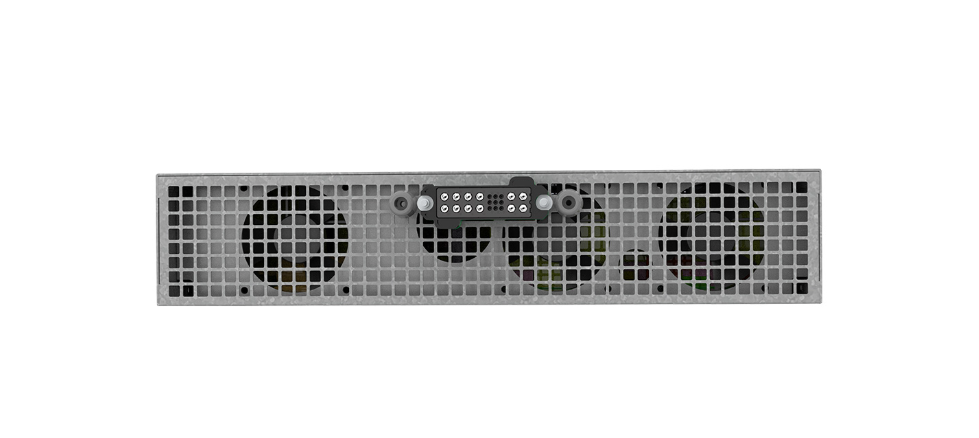
The HSBA11K-300-50 is an AC‑to‑AC bidirectional integrated source/load supply, supporting constant‑current load mode, power supply mode, and grid simulator function. It offers three‑phase and split‑phase expansion. Built on a multi‑stage converter architecture, it delivers high reliability, programmability, and automatic operation with high precision and fast response. Energy can be fed back to the grid (load mode) or supplied to AC loads (source mode). RS485 communication is provided for easy system integration. Widely used in energy storage, inverters, UPS/EPS, AC chargers, and ATS testing.
1.1.1 Three‑Phase Expansion
By synchronising the phase signals, three or two modules can be expanded to form a three‑phase source or a split‑phase source. In load mode, parallel operation is supported; in power supply mode, parallel operation for single‑phase power expansion is not supported.
1.1.2 Power Derating Characteristics
The integrated source‑load module supports two operating modes: Load and Power. Regardless of the mode, output power control is based on the user‑side voltage measurement and calculation.
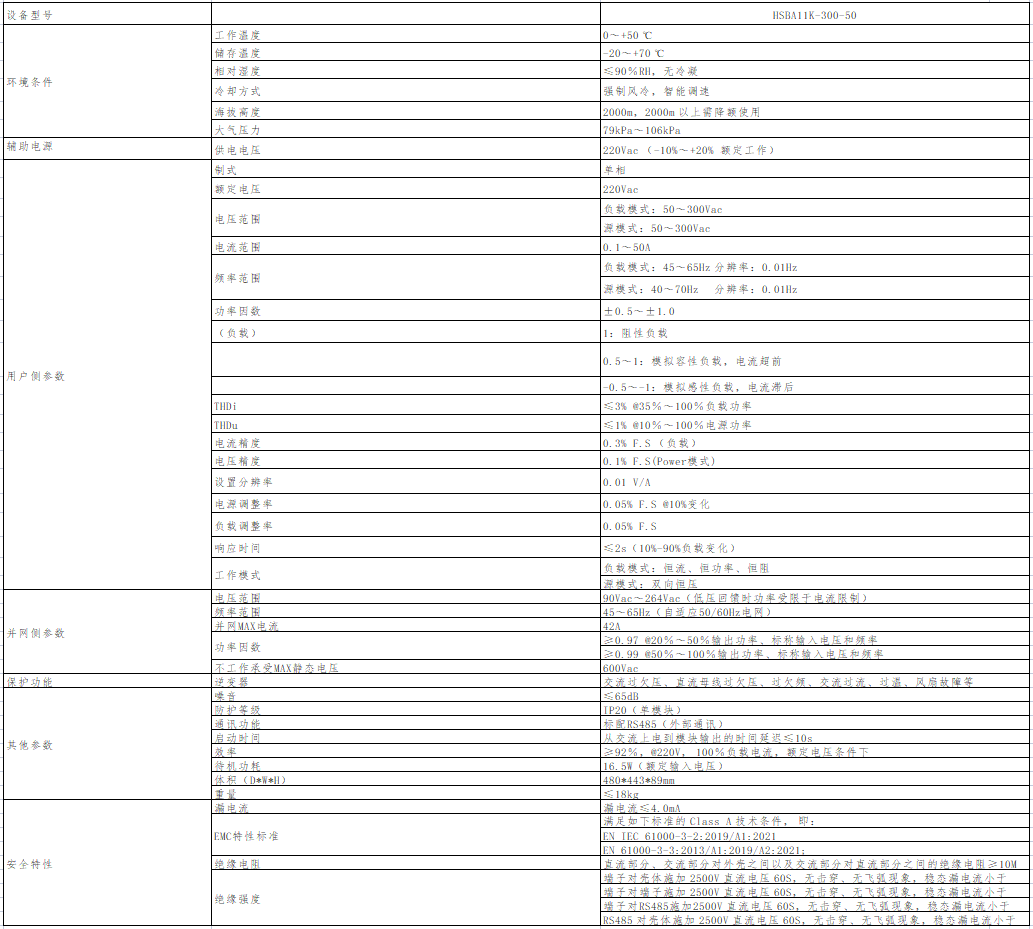
For the HSBA11K-300-50, when the user‑side voltage is between 220Vac and 300Vac, the maximum user‑side power is 11kVA. When the user‑side voltage is between 50Vac and 220Vac, the module operates with current derating, with a maximum user‑side current of 50A.
1.1.3 Input/Output Current Limit Adjustment
The module features stepless current limiting. Through an external supervisory module, the current limit point can be adjusted within the rated current range.
1.1.4 Fan Control
The built‑in processor adjusts the fan speed according to the module’s internal temperature and output power.
1.1.5 AC Over‑/Under‑Voltage Protection
When the module is powered on, it will stop operating if the user‑side single‑phase input voltage falls below 50Vac or exceeds 300Vac, or if the grid‑side voltage falls below 90Vac or exceeds 264Vac. In the event of an over‑ or under‑voltage alarm, the module will report the fault to the supervisory module. Once the input voltage returns to the normal range, the alarm clears and the module resumes standby state.
1.1.6 Overtemperature Protection
The ambient overtemperature protection threshold is 62°C. If the internal temperature rises excessively, the module will shut down for protection. After the temperature returns to a safe level, the module will automatically resume operation, and the output current and voltage will revert to their default values.
1.1.7 Internal Bus Fault Protection
If the internal bus voltage exceeds the over‑/under‑voltage protection thresholds, the module will shut down. Upon restoration of the bus voltage to normal, the module will resume normal operation.
1.1.8 Short‑Circuit Protection
In the event of a short circuit, the module will shut down and report the fault to the supervisory module. After the short‑circuit condition is removed, the module will resume normal operation.
1.1.9 Host Communication Interruption
If communication with the host is interrupted, the module will continue operating in its last working state, while the host will display a communication timeout warning. When the host exits, the module remains in its last working state.
1.1.10 Fan Fault Protection
In the event of a fan failure, the module will generate a fan fault alarm, stop operation, and cease voltage output. After the fault is cleared, the module will return to normal operation.
 Consultation
