

EN


Project Background
The Battery Management System (BMS) assembly line is an automated/semi‑automated flexible production line specifically designed for NEV battery management systems. It integrates parts feeding, assembly, fastening, dispensing, labeling, inspection, burn‑in, testing, and packaging into a single system, meeting automotive‑grade high‑reliability and high‑consistency production requirements.
Multiple projects have been implemented at benchmark enterprises in the domestic automotive industry. In response to the rapid growth of new energy vehicle production capacity and the increasing demand for product consistency, the client plans to build a fully automatic/semi‑automatic BMS assembly line. The system, through automated fixture and RGV (Rail‑Guided Vehicle) circulation, is expected to optimise efficiency, stabilise quality, reduce energy consumption, and enable data‑driven traceability management.
The current manufacturing processes are primarily confronted with the following challenges:
✅ Low manual assembly efficiency and poor quality control, making it difficult to meet capacity expansion needs.
✅ Lack of standardised operating procedures, resulting in insufficient product consistency.
✅ Absence of real‑time monitoring and data traceability mechanisms.
To address these issues, the client has decided to introduce an automated/semi‑automated assembly line solution to enhance production efficiency and product reliability.
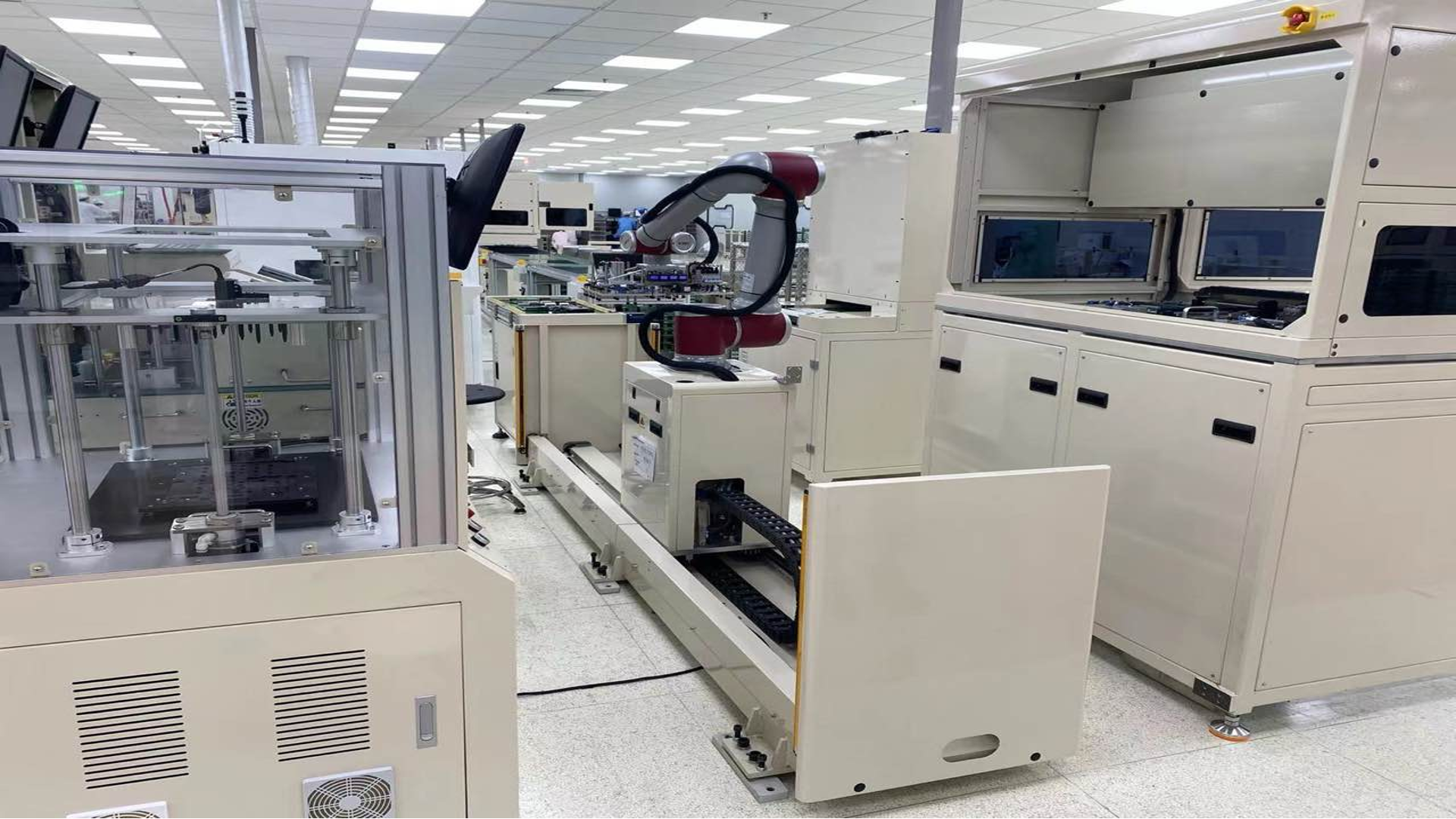
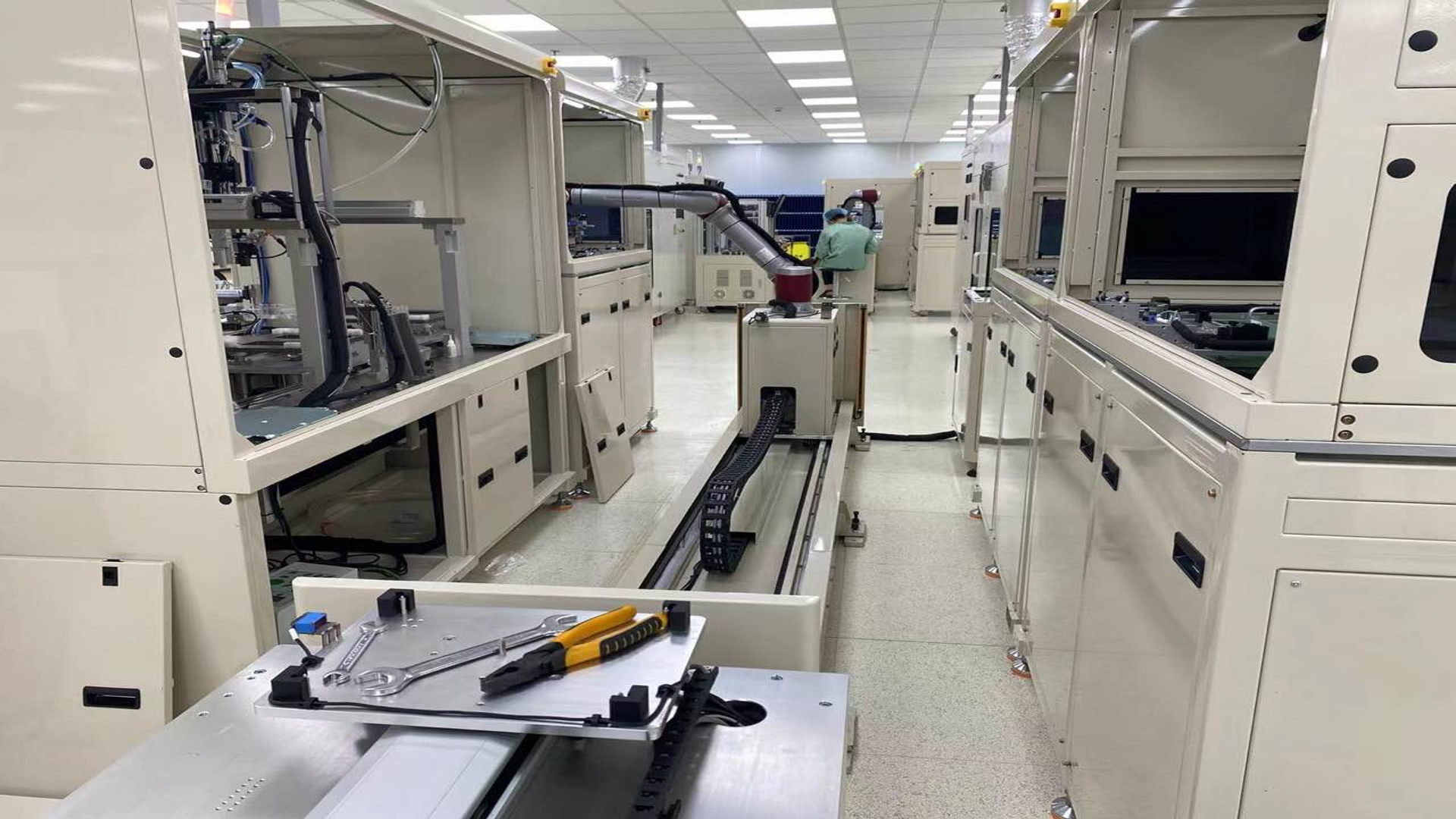
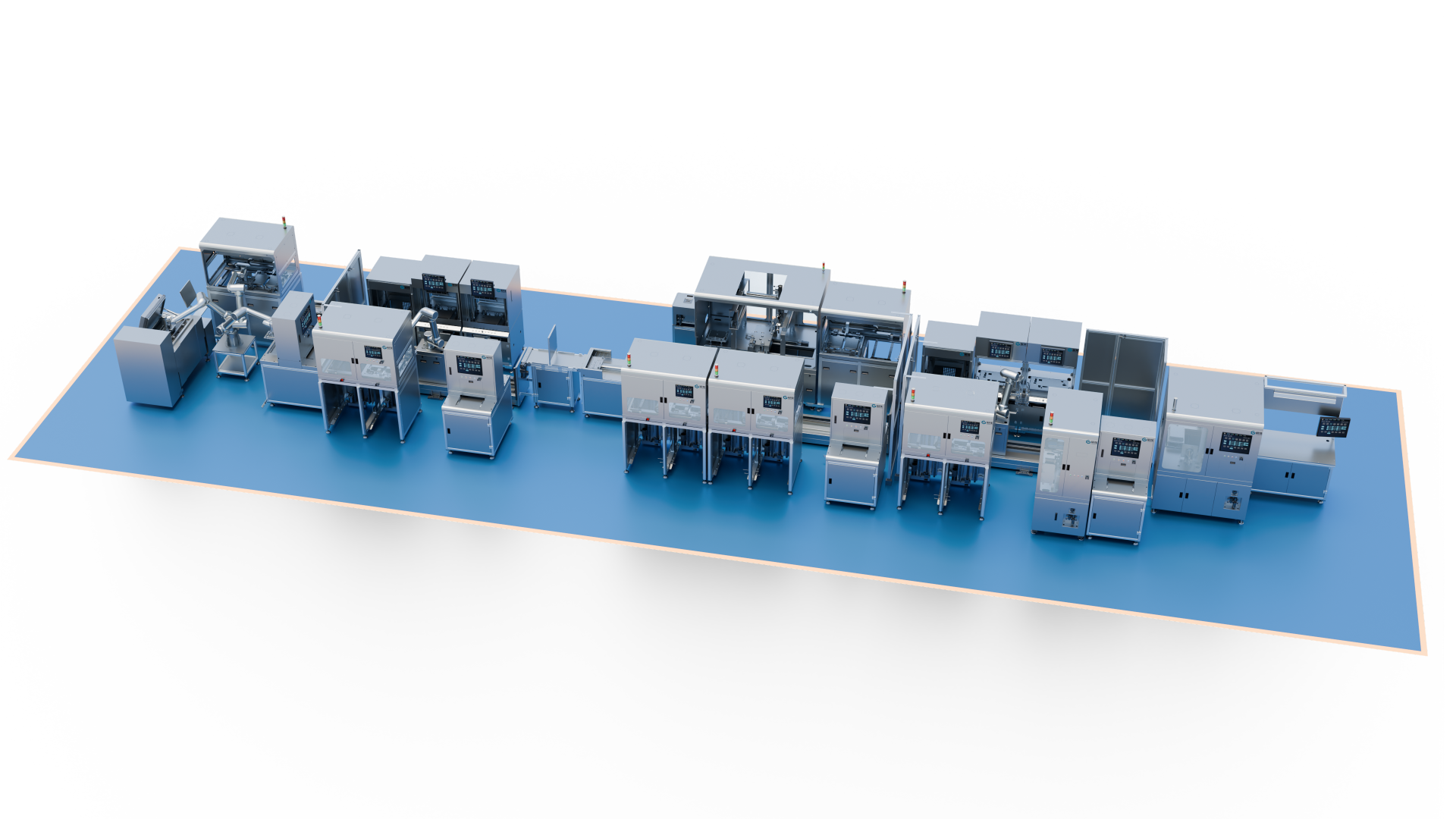
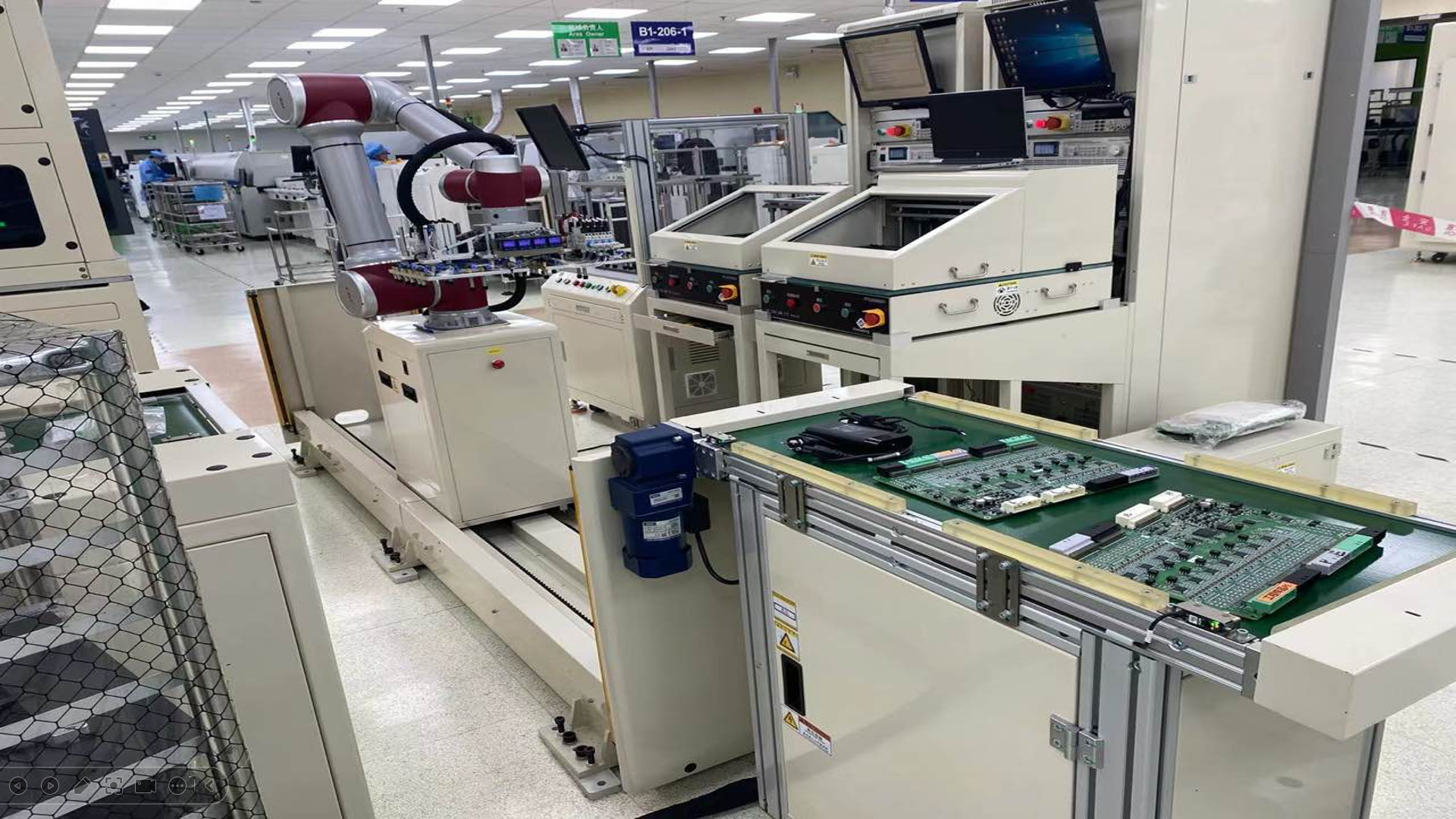
First、Introduction to Core Equipment
Automated Loading/Unloading:Automatically sorts, conveys, and positions various BMS components, improving feeding efficiency and enabling automated assembly.
Fastening:Utilises servo‑driven screw fastening machines with integrated sensors to automatically complete screw feeding and fastening, with data uploaded to the AMES system, ensuring secure, consistent, and traceable fastening.
Assembly:Precisely assembles components using dedicated equipment, ensuring proper fit and alignment.
Dispensing:Precisely applies sealing compounds, thermal interface materials, and RTV silicone to guarantee product sealing and thermal conductivity.
Labeling:QR codes, SN codes, and traceability codes for housings are printed via printers and automatically applied by robotic arms, enabling full‑lifecycle traceability for each individual product.
Inspection:Integrated throughout the entire process, covering component presence, orientation, missing parts, and error‑proofing against incorrect assembly; visual inspection for surface defects, glue‑path deviation, assembly gaps, and screw standoff – identifying and rejecting non‑conforming items.
Testing:Includes water channel leak testing, insulation withstand voltage testing, and functional testing to enhance vehicle durability and reliability.
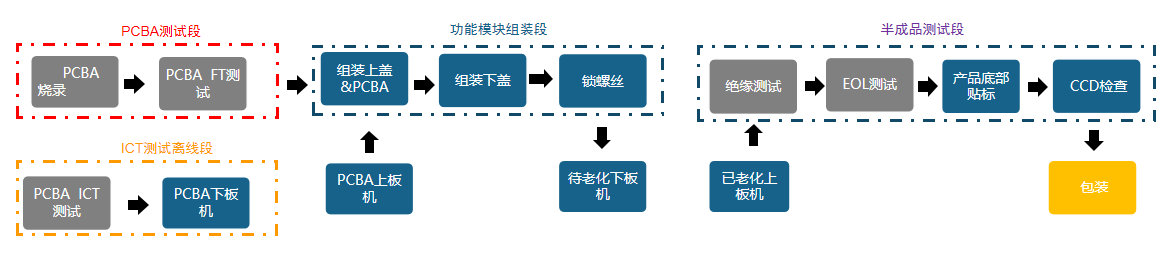
This production line equipment is applicable to battery management system manufacturing enterprises.
Applicable Manufacturers Include:
1. Power Battery PACK Assembly Lines:As the "brain" of the battery pack, the BMS must undergo PCBA programming, functional testing, harness crimping, insulation/withstand voltage testing, and communication testing on the line before being integrated with the cell modules, BDU, and enclosure – ensuring seamless system integration.
2. Dedicated BMS High‑Volume Production Workshops:Specialised in manufacturing master BMS controllers, slave acquisition boards (CSU), and BDU‑integrated BMS units. These workshops perform the complete workflow – from post‑SMT testing, assembly, soldering, burn‑in, final inspection, to full traceability – all within a single integrated production environment.
3. BMS Contract Manufacturers (ODM/OEM):Serving multiple automakers and battery manufacturers, these lines require high flexibility and rapid changeover capabilities to accommodate diverse BMS hardware and software versions from different clients – ensuring fast adaptation without sacrificing quality or throughput.

 Consultation
