

EN


The assembly and test line for intelligent suspension adjustment and electronic shift actuator controllers is an automated/semi‑automated flexible production line specifically designed for the assembly of NEV suspension and shift controllers. It integrates parts feeding, curing, assembly, fastening, dispensing, burn‑in, inspection, and unloading into a single system, meeting automotive‑grade high‑reliability and high‑consistency production requirements.
In response to the rapid growth of new energy vehicle production capacity and the increasing demand for product consistency, the client plans to build a fully automatic/semi‑automatic assembly and test line for suspension and shift controllers. Through automated fixture circulation, the system is expected to optimise efficiency, stabilise quality, reduce energy consumption, and enable data‑driven traceability management.
The current manufacturing processes are primarily confronted with the following challenges:
✅ Low manual assembly efficiency and poor quality control, making it difficult to meet capacity expansion needs.
✅ Lack of standardised operating procedures, resulting in insufficient product consistency.
✅ Absence of real‑time monitoring and data traceability mechanisms.
To address these issues, the client has decided to introduce an automated/semi‑automated assembly line solution to enhance production efficiency and product reliability.
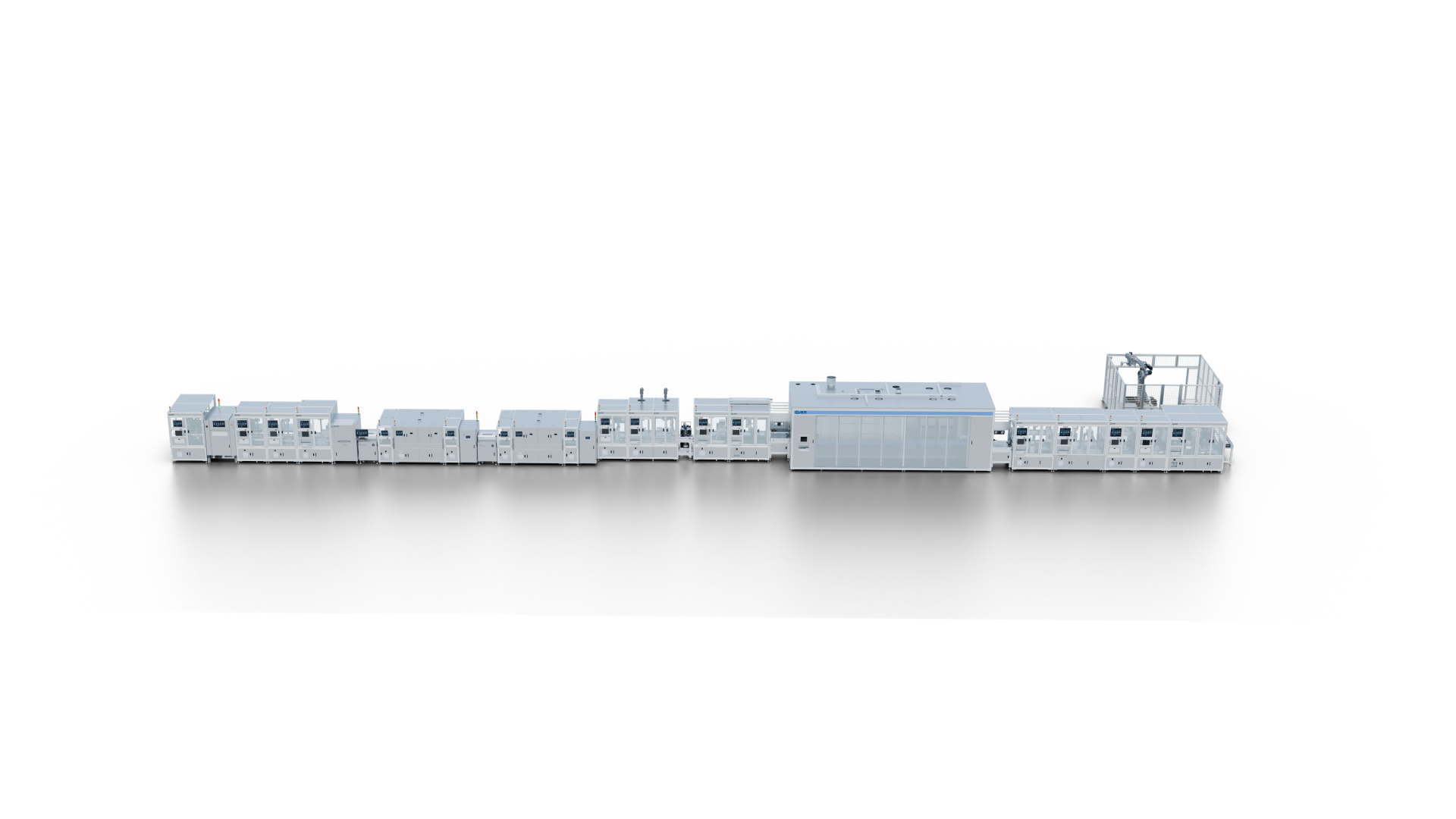
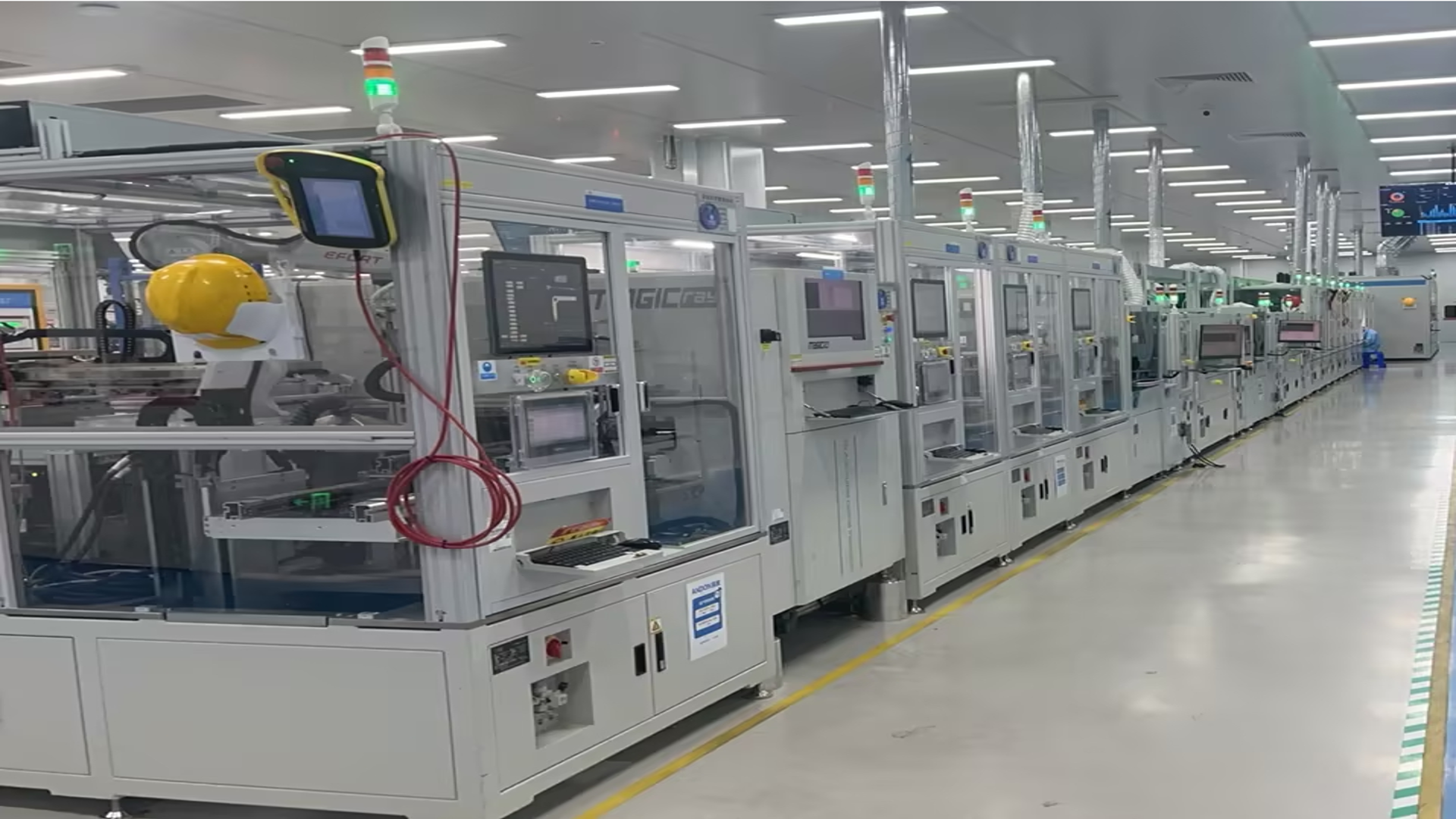
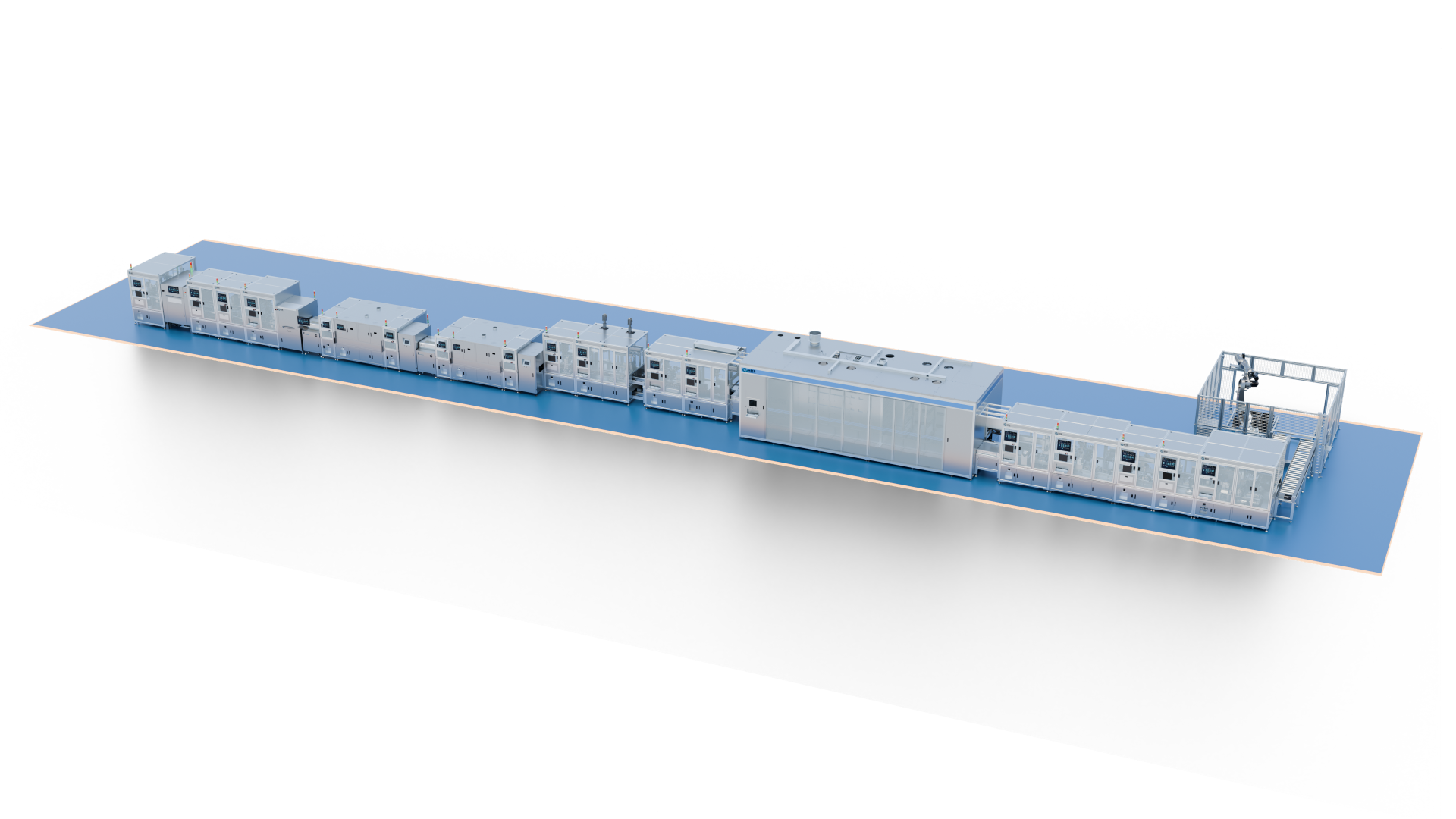
First、Introduction to Core Equipment
Automated Loading/Unloading: Automatically sorts, conveys, and positions various components, improving feeding efficiency and enabling automated assembly.
Fastening: Utilises servo‑driven screw fastening machines with integrated sensors to automatically complete screw feeding and fastening, with data uploaded to the AMES system, ensuring secure, consistent, and traceable fastening.
Assembly:Precisely assembles components using dedicated equipment, ensuring proper fit and alignment.
Dispensing:Precisely applies sealing compounds, thermal interface materials, and fixing adhesives to guarantee product sealing and thermal conductivity.
Laser Marking: Performs laser engraving of QR codes, SN codes, and traceability codes on housings, enabling full‑lifecycle traceability for each individual product.
Inspection: AOI (Automated Optical Inspection) for component presence, orientation, missing parts, and error‑proofing against incorrect assembly; visual inspection for surface defects, glue‑path deviation, assembly gaps, and screw standoff – identifying and rejecting non‑conforming items.
Testing: Includes leak testing, ICT (In‑Circuit Testing) for solder joint quality verification, component assembly validation, and parameter measurement; FCT (Functional Circuit Testing) for functional logic verification, real‑world environment simulation, and comprehensive defect detection; as well as high‑/low‑temperature burn‑in testing to enhance vehicle durability and reliability.
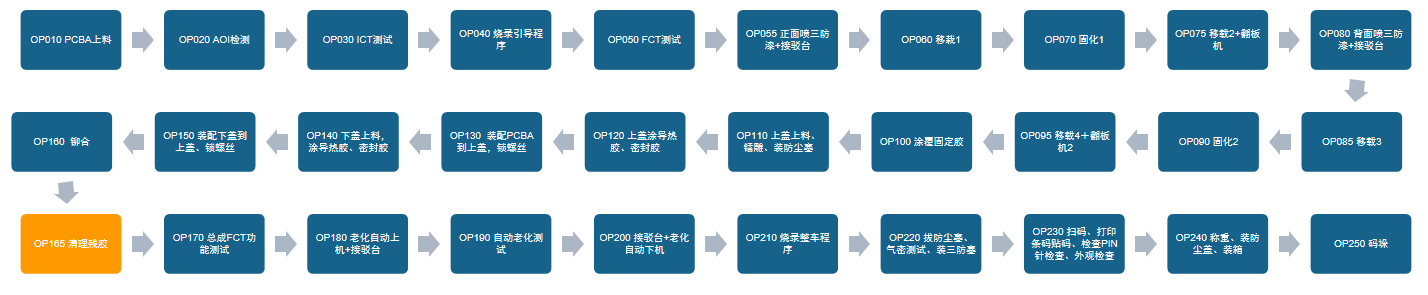
This production line equipment is applicable to manufacturers of suspension and shift controllers.
Applicable Manufacturers Include:
1. Vehicle Electric Drive Assembly Lines:
For OEMs and Tier 1 component suppliers' e‑drive workshops, supporting high‑volume, standardised production of suspension and shift controller modules that directly integrate with in‑house or integrated e‑drive assemblies, enabling coordinated and integrated production across the line.
2. Tier 1 Component Suppliers:
For leading enterprises in electronic control systems and e‑drive axles (including three‑in‑one and multi‑in‑one e‑drive systems), enabling self‑built assembly and test lines for suspension and shift controllers to achieve in‑house R&D and production of core components, thereby reducing costs and securing supply.
3. Standardised Smart Manufacturing Parks in Industrial Zones:
For NEV component industrial parks, supporting centralised, high‑volume manufacturing with clustered production models that align with scalable, ecosystem‑based supply chain requirements.
4. Small‑Batch Custom R&D Lines:
For R&D pilot lines in automotive OEMs, research institutes, and semiconductor companies, supporting sample prototyping, small‑batch validation, and process iteration for new suspension and shift controller models.
5. After‑Sales Repair and Spare Parts Production:
For dedicated assembly/refurbishment lines in leading auto parts companies, supporting remanufacturing, refurbishment, and inspection of suspension and shift controllers for after‑market replacement applications, addressing the maintenance and service demands of the repair market.

 Consultation
